
Visual Poetry Studio
In concrete poetry, the layout of a poem on the page shapes and limits what it can mean. Arrange a poem yourself in this hands-on exhibit and see how the meaning changes.
Enter the Studio →Poet Doctor is an independent medical humanities research institute. We study the theory and practice of medicine through physician writing, including poetry and rare medical books translated into English.
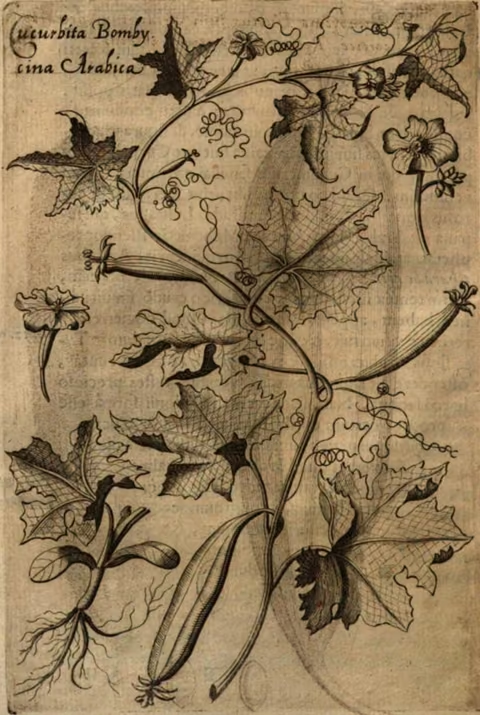
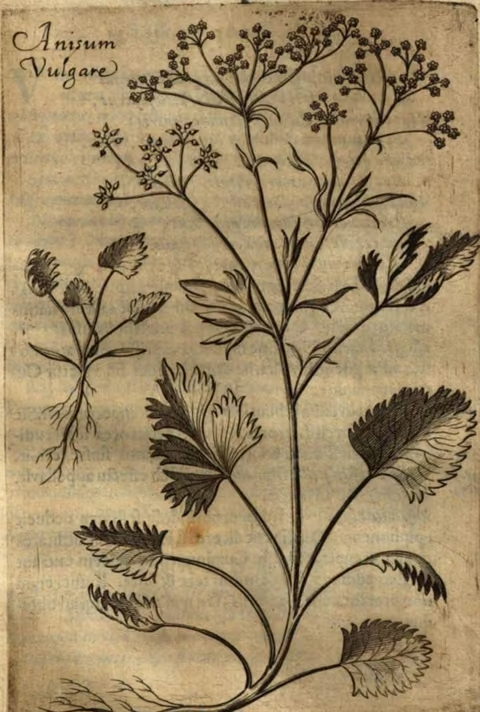
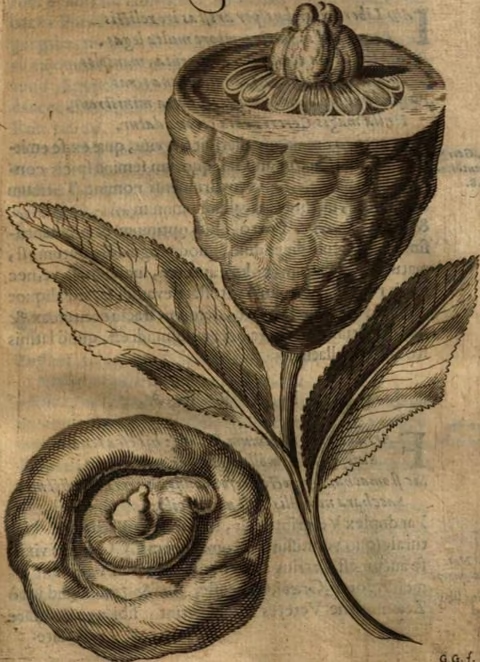
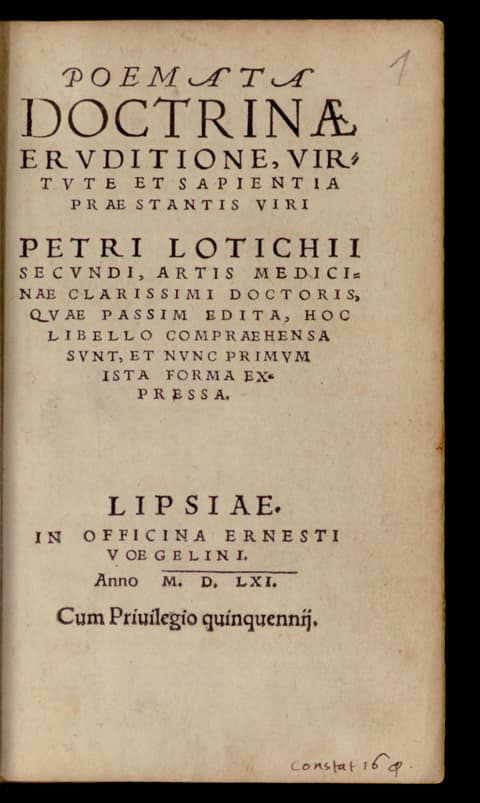
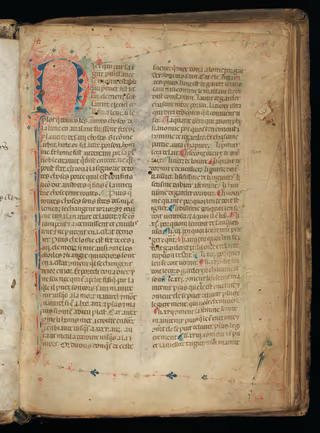
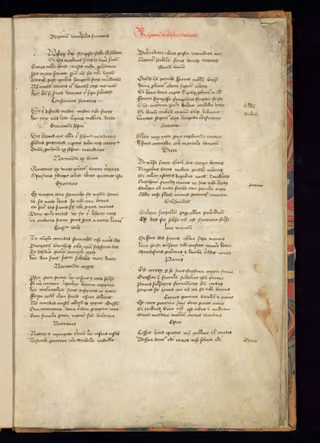
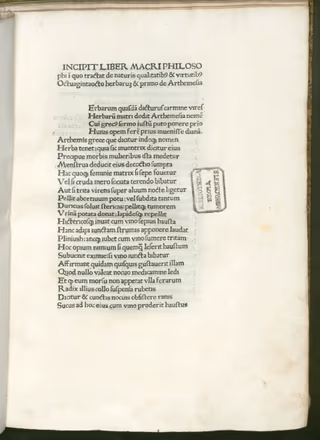
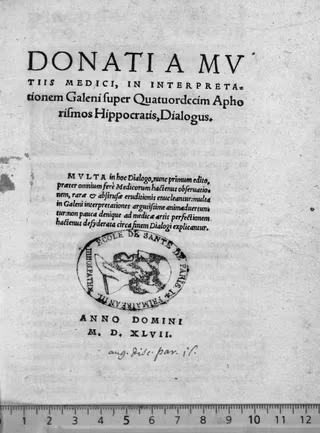
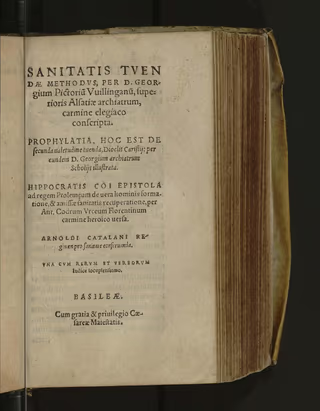
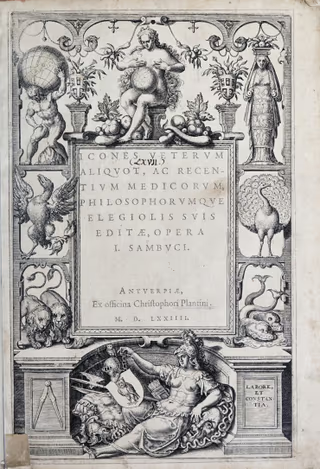
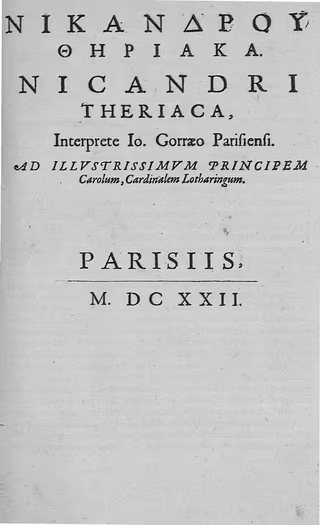
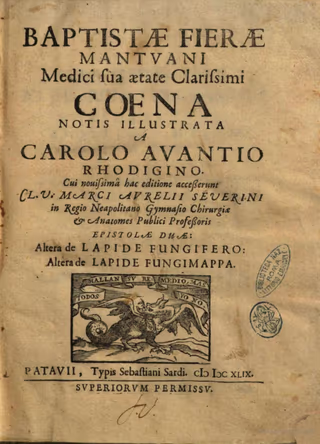
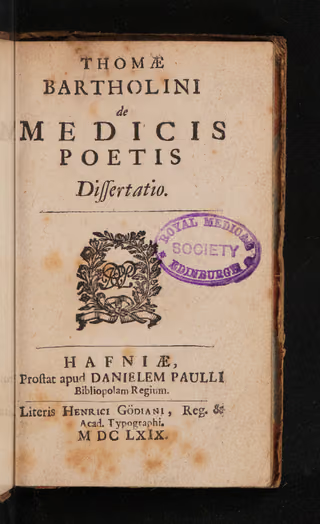
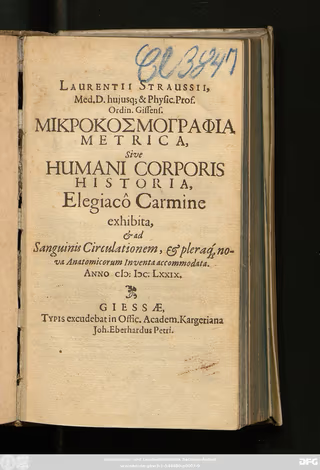
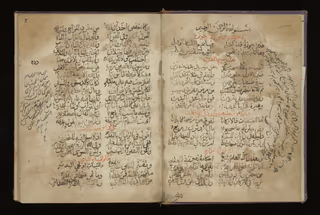
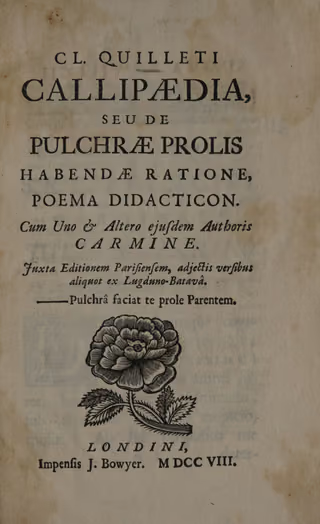
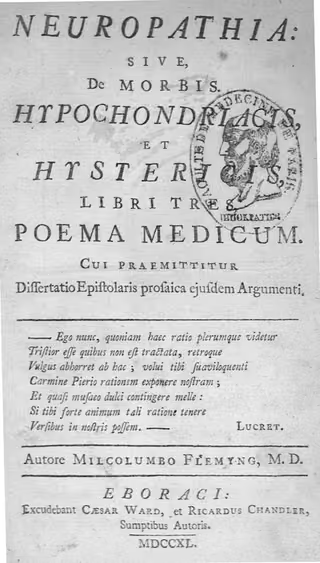
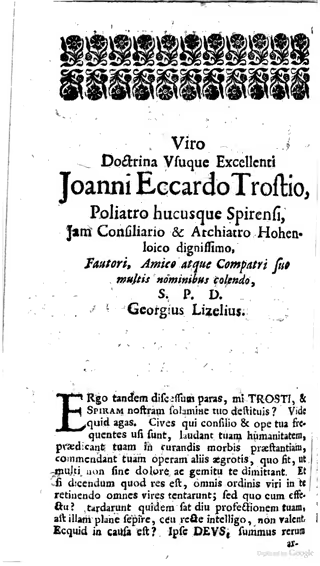
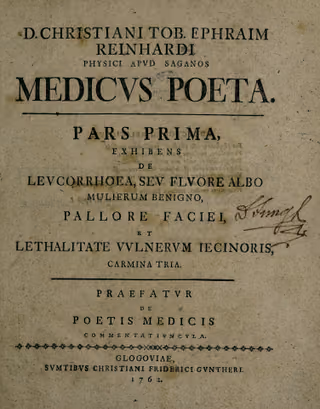
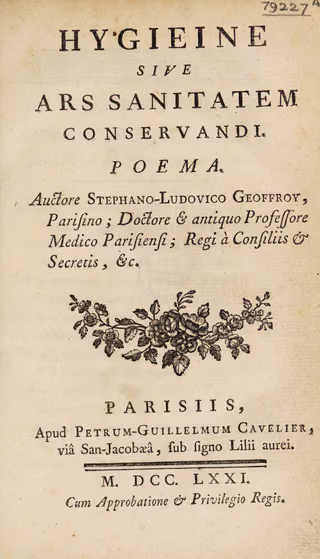
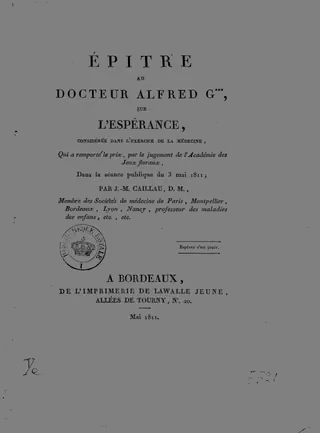
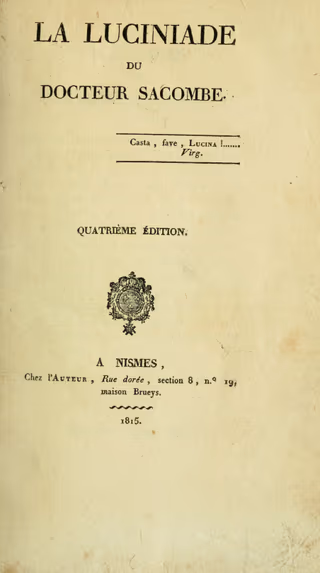
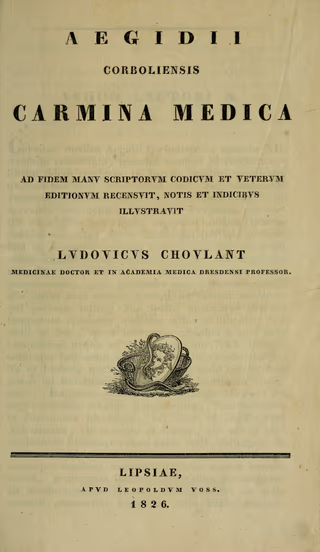
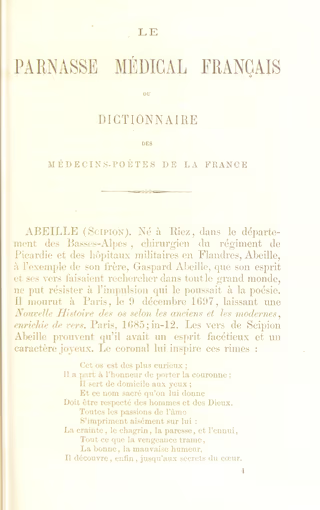
Rare medical books, many never before translated into English, read alongside their original pages. Free to everyone.
Historian’s note. These books record the medicine of their own time, and later evidence has replaced most of it. They are not medical advice. We read them as history, and we ask what, if anything, connects them to medicine today. More on how we read old medical books
Open the Historical Medical Library

7 exhibits study the craft of doctoring. Read poems, try a tool, or follow a question.
In concrete poetry, the layout of a poem on the page shapes and limits what it can mean. Arrange a poem yourself in this hands-on exhibit and see how the meaning changes.
Enter the Studio →Digital humanities charts trace recurring images, formal habits, and ethical restraint across poems by physicians. They show patterns but do not replace close reading.
Explore data visualizations →The medical record holds facts and accountability. It often leaves out moral residue and the experience of illness. A parallel chart is a private, reflective text that a clinician writes alongside that record. Whether it is a teaching tool or a working practice is an open question.
See Parallel Charts →Search historical medical poems by phrase, theme, or clinical situation. Compare writing across languages and periods, then follow a poem back to its source.
Open the Doctor’s Poetry Lounge →What changes when a poet chooses another word? We give finished Jindal poems to a language model and compare its likely words with the poet's. Read a summary of the concepts and data.
Read the summary →This directory lists centers, programs, research guides, and people. Follow the links to their sources and find a place to begin your own study.
Open the directory →Name the feeling you have and the feeling you want. The Poem Sequencer maps a reading path between them through physician poetry. Its exhibit covers bibliotherapy, the history of reading as part of care.
Enter the Poem Sequencer →A special collection of poems written in, with, and for the practice of medicine. It is the creative counterpart to our research.
Featured poem
One life we have
Do not delay
So live as if it’s
Your last day
Jenelle Jindal, MD writes these poems from the clinic and the classroom.
Search and filter all poems in the Jindal Collection by theme. Reading paths lead through themes in physician writing for close study. The Anthology groups the poems for teaching in classrooms, conferences, and workshops.


Medicine has changed many times, in its science and in its ethics, and it will keep changing. Later evidence has replaced most of the science in older medical books, and many of their ethical views are no longer accepted.
Poet Doctor studies those changes. We read each era, including our own, as evidence of how medicine understood fact and ethics at the time.
We ask what, if anything, connects earlier medicine to medicine today. Some older lessons may remain in what earlier physicians wrote. We recover them to study them, not to revive old practice.
Poet Doctor is independent. Support the workor get in touch.
Poems, scholarship, and news from Poet Doctor, once a month.
Please do not include personal health information in signups, replies, or messages.