Hover or tap a word to see its match.
The child is preserved in its mother's womb / so that no harm afflicts its body
And regarding food, when you feed or give him drink / choose it for him [throughout] the period of the age of rearing
Protect the pregnant woman's stomach / so that you do not see corruption in her appetite
And correct the blood and purify the superfluity / from which the child is formed
If blood is agitated in her, do not phlebotomize her / but [treat her] with a gentle [remedy] that loosens her
Or if a humor is agitated in her, do not give her a purgative / but rather approach her with cooling and gentleness
And if the time for the completion of her delivery approaches / then facilitate the affairs of her delivery and ease them
Like rubbing in the bath to prepare [her] / and the regions adjacent to the area [of delivery]
With oil so that the nerves loosen / and she does not become exhausted during delivery
And make her food from the fatty / and her broth from a greasy soup
And beware for her of a shout or a jump / or a fright or a fall to the ground
And bathe her during her delivery, and near it / [use] a decoction of dates in which there is fenugreek water
And appoint for her a trustworthy midwife / knowledgeable about her womb, experienced
Then when she completes it safely / pressing her belly, supporting [it]
If more blood flows from her than [normal] blood / then give her to drink a lozenge of amber
Or if she does not discharge due to a harmful matter / give her to drink a lozenge of myrrh
And if her placenta does not descend / then use fumigation from below her
Like myrrh, tar, or like onion / and like sulfur and colocynth pulp
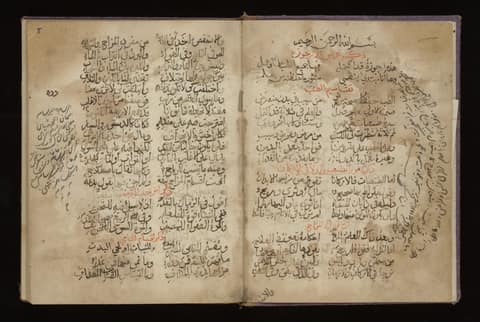
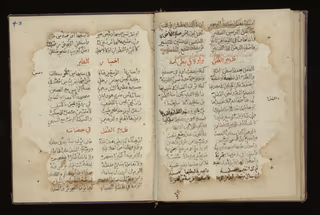
الطفل يحفظ ببطن امه / كيلا تصيب آفة في جسمه
والغذاء اذ تطعمه او تسقيه / فاختر له مدة سن التربية
احفظ على الحامل في معدتها / كيلا ترى الفساد في شهوتها
وتصلح الدم وتنقي الفضل / ذاك الذي يكون منه الطفل
إن هاجها دم فلا تفصدها / بل تلطف بما يسلسها
أو هاجها خلط فلا تسهلها / بل بالبرودة واللطافة اقصدها
فإن دنا وقت لوضع تماها / فيسّر امور وضعها سهلها
كالدلك في الحمام للاحضار / وما يلي المحل من الاقطار
بالدهن كيما يسلس العصب / ولا تكون عند وضع تتعب
واجعل غذاها من السمين / وحسوها من مرق دهين
واحذر عليها صيحة أو وثبة / او روعة او صدمة ارضية
واستحمها في وضعها وقربة / طبخ تمر فيه ماء حلبة
واجعل لها قابلة ذي ثقة / عارفة ببطنها محنكة
ثم اذا تتمها مسلمة / عاصرة لبطنها محملة
ان سال منها دم اكثر من الدما / فاسقها اقراصة من كهربا
أو لم تسل بمادة من صبر / فاسقها اقراصة من مر
وإن مشيمة لها لم تنزل / فاستعمل التبخير من تحتها
كالمر والقطران او كالبصل / ومثل كبريت وشحم حنظل