Hover or tap a word to see its match.
And whatever sickness you mention / from the hair of the head to the nail of the foot,
Encompassing the entire body / it may be, or restricting a part of it to one,
Do not treat the humor by extraction / but accomplish your matters in the treatment,
If it is free from repletion / then its medicine is by reversing the temperament,
It differs from the diseases of a replete body / in that its humor is removed and it ascends,
That no sign of a disease is seen in it / that shows repletion in the body,
And that it is seen to be benefited by the medicine / so liken the temperament of this disease,
And that it benefits by opposites / to the cause that brought about the corruption.
And touch is among the powers of inference / regarding it, and what actions it performs,
And what conditions you see have worsened / and what heaviness emerges by it,
But there is no sediment in the urine / and the pulse departs from moderation.
So there is no repletion in this kind / but it is empty of the kind of this disease.
And if a place feels pain / its indication is provided by the place.
And inference is made therein by the ages / and by the temperament of the body and the colors,
And by the seasons of the year and the times / and by the habitations of the lands,
And what preceded of the regimen / for it is an aid in the regimen.
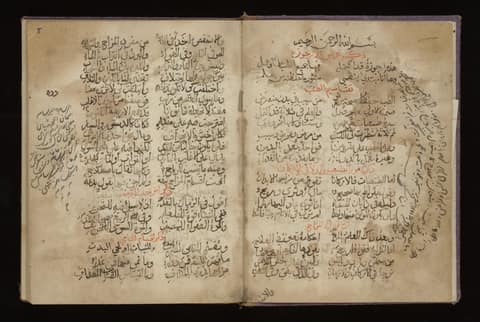
وكلما تذكره من سقم / من شعر الراس لظفر القدم
مشتملًا علي جميع الجسد / كان أو خصّ بعضه بواحد
فلا تعاني الخلط بالاخراج / واقض أشياءك في العلاج
إن كان خالياً من الامتلاء / فطبّه بالقلب للمزاج
يباين أمراض جسم ممتلي / أن ينحى بخلطه وتعتلي
أن لا علامة به تري لداء / تبيّن في الجسم للامتلاء
وأن يرى ينفعه بالدواء / فشبّه مزاج هذا الداء
وأنه ينفع بالاضداد / للسبب المحدث للفساد
واللمس من قوى الاستدلال / فيه وما يصنع من أفعال
وما تراه ساء من أحوال / وما به يبرز من أثقال
لكن لا رسوب في الابوال / والنبض أن يخرج عن اعتدال
فليس في ذا الجنس امتلاء / بل فارغ من جنس هذا الداء
وأن يحسّ موضع بوجع / فأفاد دليله بالموضع
ويستدل فيه بالأسنان / وبمزاج الجسم والألوان
وبفصول العام والأزمان / وبالمساكن من البلدان
وما تقدم من التدبير / فإنه عون في التدبير