Hover or tap a word to see its match.
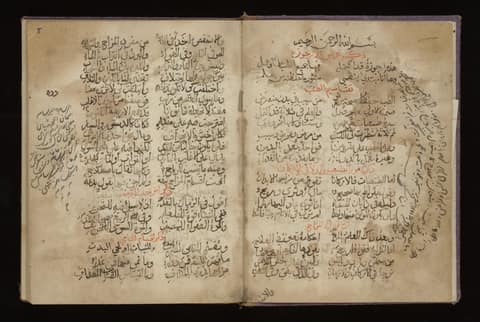
The face, if it is as it was / in health, then his recovery has become clear
And the gaze, if it appears moderate / and the color of the false ribs has its affliction gone
And jaundice appearing after the seventh [day] / while his mind is safe without deterioration
And strength in sensation or in movement / and lightness of his body are bearers of good tidings
And if he appears lying down as usual / and sleep takes him in his night
His sleep during most of the day / and after sleep he is settled
And every sleep that removes some pain / and delirium that has cleared from illness
And the disease of the diaphragm and the organs / shares with the brain in ailments
If they are safe from continuous delirium / then this patient is alive and safe
And if sneezing appears in phrenitis / then it is among the signs of recovery
And every epistaxis and blood from the nose / in a disease of the head is a cure for the severely ill
And breathing seen without high frequency / nor disparity, is among the best of what happens
Neither its interruption nor its uprightness / and it does not agitate because of what afflicted it
And his pulse is strong and does not narrow / nor when you palpate it is it like a burning [thing]
And appetite and strength of digestion / and his urine is of moderate consistency
And its color is moderate in yellowness / without a burning blackness or greenness.
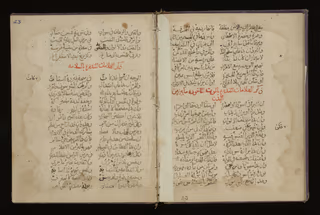
Or if the humor exits with the stone / on a day of crisis, then it indicates survival.
And if that humor from it was the bad one / then that is due to the cessation of that badness.
If the poisonous bile exits / and that is in the general illness of the brain.
Hemorrhoidal blood from the spleen / and by vomiting, there is an improvement of the condition.
And the exiting of water mixed with blood / at the time of healing of that illness.
And bile, if it exits during ophthalmia / then that is from a rapid healing.
And if you see the urine citron-colored / and the white sediment in it is at the bottom.
And if you see a patient whose sweat / is moderate during a continuous fever.
And if you see a swelling in the *lujja* / from outside the head, then that is beneficial.
And swelling of the testicles is the healing of the body / when you see it in a chronic cough.
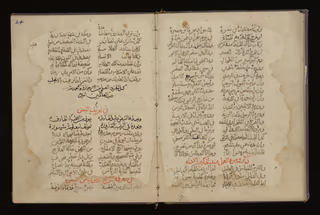
And swelling of the leg in pleurisy / and a swelling that descends into the groin.
And ulcers in the nostril or on the lip / in a tertian fever is a sign prognosticating health.
And alopecia is cured by varicose veins / and what is in the belly and spleen is cured.
Likewise, sour belching in diarrhea / cures the colic, likewise for the last breath.
And if a fever appears upon a convulsion / or epilepsy, then that is from a relief.
And if you see a person with hiccups / and sneezing comes to him, he has recovered.
الوجه ان كما قد كان / في صحة فبروه استبان
واللحظ ان بدا على اعتدال / واللون للشرسوف ذاهب الال
ويرقان بعد سابع بداء / والذهن منه سالم بلا ردى
وقوة في الحس او في الحركة / وخفة لبدنه مبشرة
وان بدا مضطجعا كالعادة / اخذه في ليله رقادة
نومه في اكثر النهار / وكان بعد النوم ذا قرار
وكل نوم قد يزال من الم / وهذيان قد ازاح من سقم
ومرض الحجاب والاعضاء / يشارك الدماغ في الادواء
ان سلمت من هذيان دايم / فان ذا المريض حي سالم
وان بدا العطاس في البرسام / فهو بالبرء من الاعلام
وكل رعاف ودم من انف / في مرض الراس شفا للمدنف
ونفس بلا تواتر يرى / ولا تفاوت بخير ما جرى
ولا انقطاعه ولا انتصابه / وليس يهيج لما اصابه
ونبضه في قوة ولم يضق / ولا اذا تجسه كالمحترق
وشهوة وقوة الهضام / وبوله معتدل القوام
ولونه معتدل في صفرة / بلاسواد محرقاً او خضرة
او خرج الخلط مع الحصاة / في يوم بحران فمن حياة
وكان ذاك الخلط منه الردي / فذاك من زوال ذاك الردى
ان تخرج المرة ذات السمم / وذاك في سقم الدماغ الاعم
دم البواسير من الطحال / وبالقي لها صلاح للحال
وخروج ماء خلط بالدم / في حين شفا ذاك السقم
ومرة ان خرجت في الرمد / فذاك من برء سريع الامد
وان رايت البول اترجيا / وابيض التفل به سفليا
وان رايت من مريض عرقه / معتدل الامر بحمى مطبقه
وان رايت ورما في اللجة / من خارج الراس فتلك مصلحة
وورم الانثيين بُرءُ البدن / اذا تراه في السعال المزمن
وورم الرجل بذات الريه / وورم ينزل في الاربيه
والقرح في المنخر او في الشفه / في الغب شي منذر بالصحه
ويبرأ الثعلب بالدقاق / ويبرأ ما في البطن والطحال
كذا الجشا حامض في الزلق / من المعاكس كذا للرمق
وان بدت حمى على تشنج / او صرع وذاك من تفريج
فان رايت بامرىء فواقا / وجاءه العطاس قد افاقا