Hover or tap a word to see its match.
And the chest and the lung are the instrument of breath / So if they are healthy, then life is guarded
And if they deviate from the strength of their actions / Then the fire of that heart is in its ignition
And the chest, whatever disease afflicts it / Then its sputum is its indicator, for it is the symptom
If concoction is lacking, then that is the beginning / Because the state of concoction has not appeared in it
And if it is slightly thin / Then it is an indicator of the weakness of its concoction
And if it is moderate in that / Then the middle of the ascent has come to you
And if it is thick, viscous, [and] raw / Then it has been expectorated at the end
And the thinness of the sputum is among the indicators / That thin is the humor of that illness
And that it is quick to dry / And the required thickness is the opposite
And the black color of the spit / Indicates severe burning
And the green color of the expectoration / Indicates from the yellow bile the leek-like [variety]
And whenever its yellowness is saturated / It indicates from the yellow bile the pure [variety]
And the white sputum is an indicator of phlegm / And the red color is an indicator of blood
And whatever is hidden of its stench, you loathe it / For it informs about putrefaction
And every sputum that is not stinking / Then what is in his chest is not putrefying
And if you see its shape round / And the fever was with this illness
Then judge by these signs / The falling of the person into pleurisy
And if the sick person does not rest / Then consumption has presented itself
And the sputum, if it indicates recovery / By its decrease, the cough has subsided
White in it, thick, connected / Then his healing comes soon or has happened
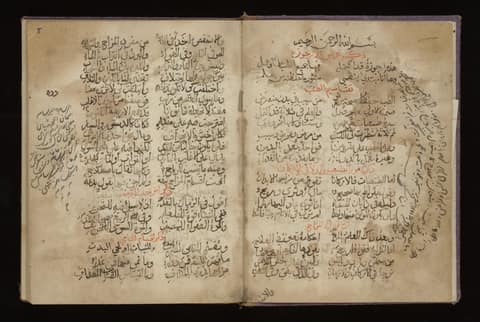
والصدر والرية آلة النفس / فان تصحا فالحيات في حرس
وان تنكب عن قوي افعالها / فنار ذاك القلب في اشتعالها
والصدر مهما يعتريه من مرض / فنفثه دليله فهو العرض
ان عدم النضج فذاك ابتدا / لان حال النضج فيه مابدا
وان يكن في رقة قليلا / فهو لضعف نضجه دليلا
وان يكن معتدلا في ذاكا / فوسط الصعود قد أتاكا
وان يكن ثخن غليظا فجا / فانه عن انتها قد لفظا
ورقة النفث من الادلة / ان رقيقا خلط تلك العلة
وانها سريعة الجفاف / والغلظ المقتضي فالخلاف
والاسود اللون من البصاق / يدل على شدة الاحتراق
واخضر اللون من النفاث / دل من الصفرا على الكراث
وكلما صفرته مشبعه / دل من الصفرا على المحضه
وابيض النفث دليل البلغم / واحمر اللون دليل للدم
وكامن من نتنه تنوقه / فانها تخبر عن عفونه
وكل نفث لم يكن بمنتن / فليس ما في صدره بمتعفن
وان رايت مستديرا شكله / وكانت الحمى بهذي العله
فاقض على هذه الاعلام / على وقوع الشخص في البرسام
وان يكن ليس يسكن العليل / فانه قد حضر الذبول
والنفث ان دل على التعافي / من نبضه قد حابا السعال
ابيض فيه غليظ متصل / فبرؤه يجي قريبا او حصل