Hover or tap a word to see its match.
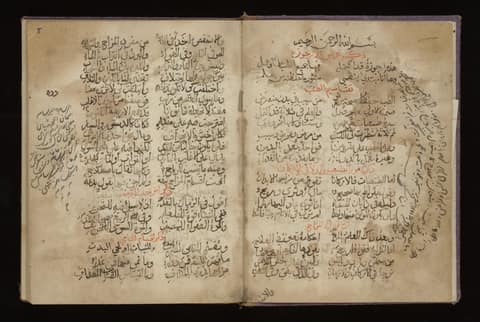
Feces may indicate [conditions] in the stomach / and sometimes in the intestine and the liver
When it is little, it is from food / that the faculties have transformed to the organs
Or if it passes in a small amount / and its absorption, perhaps, is a lot
Meaning that the body of the sick person / is filled with the foulness of superfluities
And if it appears to be more than the food / there is no benefit from it in his body
Or there is little absorption of it / and its expulsion is abundant due to an illness
And if it appears white, or a blockage / in the duct of the gallbladder or a gland
And jaundice is a witness by sense / and the yellowness of urine is of this kind
Firstly, the body is very corrupted / by phlegm or by a cold temperament
And if it appears red or like fire / it indicates an excess of [yellow] bile
Or if it is like leeks and verdigris / it indicates a running foulness and illness
And if it appears black, then the coldness / in his body is chronic and severe
And if it is in an acute illness / it indicates death in a short time
And if its consistency has hardness / it indicates a strong attractive faculty
Or from a burning heat / or from food whose nature is to constipate
Or the coldness of a body whose condition encompasses it / or from food that does not cause constipation
And if it appears thin and moist / then the body has not had much dryness
And if it appears slow, then the food / is difficult for the body to digest
Or little in expulsion, or from cold / or from an intestine blocked by an obstruction
And if it descends quickly / its nature is to slip, not to stay
Or from moistures of the humors / that have been discharged into it in excess
And the mesenteric [veins] were not attracting / or the intestine is failing in its function
Like ulcers, or like bad digestion / or like a kind of illness
And if it is excreted with noise / it indicates a lot of flatulence
And if it is mixed with pus / it indicates tumors in the intestines
And if blood appears upon excretion / it indicates ulcers and excoriations
And if it increases in stench / it indicates an excess of putrefaction
And if there is something like oil on top of it / it indicates the melting of the body's fat
And if its odor is altered / then sour phlegm has permeated it
ان البراز قد يدل في المعد / وتارة على المعي والكبد
متى يقل فهو عن غذاء / احاله القوي الى الاعضاء
او ان فات دفعة يسير / وجذبها لعله كثير
يعني بان بدن العليل / يمتلي من خبث الفضول
وان بدا يكثر في الغذاء / ليس له في جسمه غناء
او كان للجذب فيه قله / والدفع فيه كثرة من عله
وان بدا ابيض او سده / في مسلك مرارة او غده
واليرقان شاهد بالحس / وصفرة البول على ذا الجنس
اولا فان الجسم جدا فاسد / من بلغم او من مزاج بارد
وان بدا احمر او كالنار / دل على فرط من المرار
او كان كالكراث والزنجار / دل على خبث وسقم جاري
وان بدا اسود فالبروده / في جسمه مزمنه شديده
وان يكن في مرض ذي حده / دل على موت قريب المده
وان يكن قوامه صلابه / دل على قوي من الجلابه
او من حرارة لها اشتعال / او من غذا شانه اعتقال
او برد جسم شامنه الحال / او من غذا ماله اعتقال
وان بدا وهو رقيق رطب / فالجسم لم يكثر لديه الجدب
وان بدا يبطي فالطعام / يعسر منه للجسم انهضام
او قلة في الدفع او من برد / او من معا امسكت بالسد
وان بدا يسرع في انحدار / من شانه التزليق لا البقاء
او من رطوبات من الاخلاط / اندفعت اليه في افراط
والماسريقا لم تكن جلابه / او المعا نابية منابه
كالقروح او مثل سو الهضم / او مثل ضرب من ضروب السقم
وان بدا يخرج ذا صياح / دل على الكثير من ارياح
وان يكن بالقيح ذا امتزاج / دل على الاورام في الاعفاج
وان بدا الدم لدى الاخراج / دل على القروح والاسحاج
وان يكن قد زاد في النتونه / دل على فرط من العفونه
وان يكن من فوقه كالدهن / دل على انسباك شحم البدن
وان تكن ريحتة محاله / فالبلغم الحامض قد تخلله