Hover or tap a word to see its match.
So if you see a sanguineous disease / difficult, severe, agitated, strong
And its symptoms have appeared in the head / and the rest of the senses followed it
And redness and itching of the nose / then this crisis is by epistaxis
And if its symptoms are from below / and continuous pain in the navel
And beforehand her menstruation was with impurity / then her crisis is by menstruation
Or the upper part was safe from the aches / and it was in the lower part of the ribs
And the sick person had it below his liver / and the aches descend towards the anus
Then if you prognosticate it, you are not a loser / for that is bleedings from hemorrhoids
And if the disease is from yellow bile / and it was in the times of conclusion
And there was dominance in his pleurisy / and an abundance of headache and affliction
So do not be in fear of that / for this crisis is by **epistaxis**
And if its symptoms are in the stomach / and he had been complaining of that for a while
And he was in distress and excessive fainting / then his crisis is only by **vomiting**
Or the head was safe from headache / and he was complaining of pains in the belly
And a terrible sign appeared / and nature was constricted before this
Then be on guard concerning the matter / for this crisis is by stool
Or the lumbar region was safe from twisting / and the patient was not in affliction
But he was in distress and little sweat / and its symptoms did not involve sweat
And there was softness in his illnesses / and the pains were below the pubic region
So take my true saying in this matter / for the youth's crisis is by urine
Or the urine was safe from retention / and he was not complaining extremely
And he had open **pores** / and there was no excess of pains
And he was not severely dry, sweating / then the crisis of this one is by sweat
And if the pains are in his thigh / then the crisis is by tumors
And apply the regimen according to the sign / [whether] it indicated death or safety
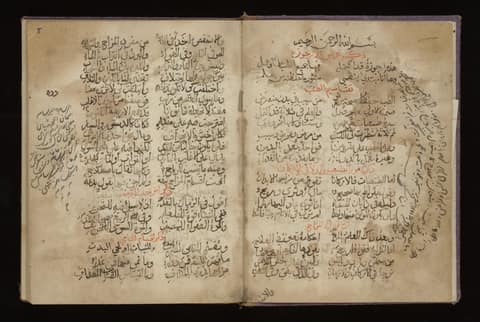
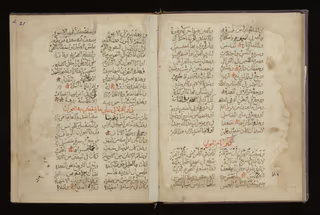
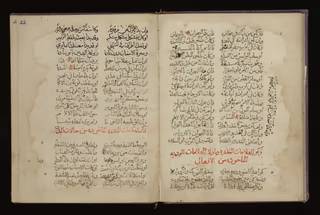
فان رايت مرضا دمويا / صعبا شديدا هايجا قويا
وقد بدت اعراضه في الراس / واتبعته ساير الحواس
وحمرة وحكة الاناف / فان ذا البحران بالرعاف
وان تكن أعراضه من اسفل / فوجع في سرة متصل
وقبل كان طمثها في خبث / فانما بحرانها بالطمث
او سلم الاعلى من الاوجاع / وكان في السفلى من الاضلاع
وكان بالعليل دون كبده / وتنزل الاوجاع نحو المقعده
فليس ان انذرته بخاسر / فذاك جراحات عن البواسر
وان يكن المرض من صفراء / وكان في اوقات الانتهاء
وكان في برسامه استيلاء / وكثرة الصداع والبلاء
فلا تكن من ذاك في مخاف / فان ذا البحران **بالرعاف**
وان يكن اعراضه في المعده / وكان يشكو قبل ذلك لمده
وكان في كرب وفرط غشي / فانما بحرانه **بالقي**
او سالم الرأس من الصداع / وكان يشكو البطن بالاوجاع
وظهرت بادرة فظيعه / واعتقلت من قبل ذا الطبيعه
فكن من الأمر على احتراز / فان هذا البحران بالبراز
أو سلم القطن من التواء / ولم يكن المريض ذا بلاء
بل كان في كرب وقليل عرق / ولم تكن اعراضه فيها عرق
وكان في امراضه ليانه / وكانت الاوجاع تحت العانه
فخذ بذا الأمر صحيح قولي / فان بحران الفتى بالبول
أو سلم البول من امساك / ولم يكن في غاية بشاك
وكان ذا منفتح **المسام** / ولم يكن فرط من الآلام
ولم يكن ييبس شديد عارق / فانما بحران هذا بالعرق
وان يكن في فخده الآلام / فانما البحران بالاورام
واستعمل التدبير بالعلامة / دلت على الموت أو السلامه