Hover or tap a word to see its match.
And every crisis that comes, its warning / from the severity of the symptoms is what we shall mention:
Confusion in the mind and the senses / and pain in the ear or in the head
And the flow of what runs of tears / and restlessness and lack of sleep
Or disturbance of movements with staring / or pain in his chest or in the neck
Or waking up badly from a stupor / and the eye having movement and redness within it
And grinding in sleep and knocking together / and shivering at night with rubbing
And the lip sometimes shrinking / and sometimes he is seen smacking it
And rapid breathing and drawing in / of a cold drink and agitation
And a rapid pulse in succession / and a cough afflicted with gargling sounds
And continuous palpitation and fainting / and rising from his bed and walking
And pain in the throat along with the esophagus / and feverish distress with excessive pain
And pricking in the sides and the ribs / and the severity of the pains and the aches
And successive pain in the stomach / or he complains of his spleen or his liver
And pain in the belly or in the pubic region / likewise in the kidneys and in the bladder
And the like of what happens from excessive pain / in his anus or in a penis or a womb
Or pain in the rest of the joints / or some of them from outside or inside
And these, if you see them ascending / on a day of crisis, then that is good
Especially if there was concoction and it appeared / otherwise, you will see this news in the opposite way
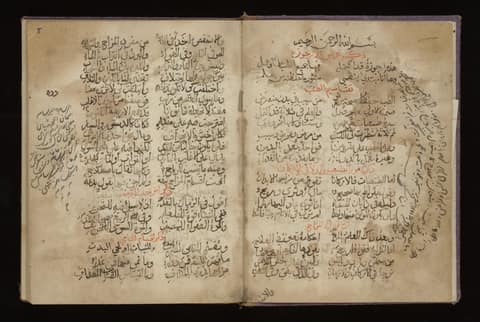
وكل بحران اتى فمنذره من شدة الاعراض ما سنذكره
تخليط في العقل والاحشا ووجع الاذن أو في الراس
وسيل ما يجري من الدموع وقلق وقلة الهجوع
أو اضطراب الحركات بالرمق او وجع في صدره أو في العنق
او انتبا يسيء من غمرة / والعين فيها حركة وحمرة
والصرف في النوم واستكاك / والانتقاض ليلة باحتكاك
والشفاة تارة تتقلص / وتارة يرى بها يمصمص
وسرعة التنفس واجتلاب / لبارد المشروب واضطراب
وسرعة للنبض في التواتر / وسعلة تصاب بالغراغر
وخفقان دايم وغشي / ونهضة من فرشه ومشي
ووجع في الحلق مع المري / وكرب حام بفرط مضي
والنخس في الاجناب والاضلاع / وشدة الآلام والاوجاع
ووجع متواتر في المعدة / او يشتكى طحاله او كبده
ووجع في البطن او في العانه / كذاك في الكلى وفي المثانه
ومثل ما يحدث من فرط الالم / في دبره او في قضيب او رحم
او وجع في ساير المفاصل / او بعضها من خارج او داخل
وهذه اذا تراها تصعد / في يوم بحران فذاك جيد
لا سيما ان كان نضج وظهر / اولافبالضد ترى هذا الخبر