Hover or tap a word to see its match.
The cephalic vein is phlebotomized / and from it what branches from the left
The median cubital vein is phlebotomized, and every pain / in the head and the chest without blindness
And the basilic vein is phlebotomized in the extremities / from severe headache and epistaxis
And the basilic in the treatment of the chest / and what occurs in its lung of heat
And [the vein] which is known as the axillary / for the illnesses of the liver and the spleen
And in the forearm of our hands is phlebotomized / the basilic, binding it certainly
And the veins in the lower parts are phlebotomized / for what is in them of joint pain
And the vein behind the ear for the disabled / and a pain entrenched in his skull
And the two veins in the inner corners of the eyes are phlebotomized / for the ophthalmia occurring in the eyes
And the vein in the fontanelle from moisture / and a pain that occurs with difficulty
And the jugular vein is phlebotomized in pains / evident in the bones
In a treatment for an illness of ophthalmia / and in a cough and a pain in the liver
And the vein in the head which is in the back / [is phlebotomized] for constant headache and dizziness
And the vein is sometimes phlebotomized in the tip of the nose / for what you see of a pimple on the cheek
And the vein from under the gums you phlebotomize / for swelling and pain you intend to treat
And the vein which is in the knee is phlebotomized / for disease of the bowels and below the navel
And the saphenous [vein] is phlebotomized in the lower legs / for what you see of disease of the pudenda
And the sciatic [vein] is phlebotomized for its diseases / and the vein in the foot, meaning its symptoms
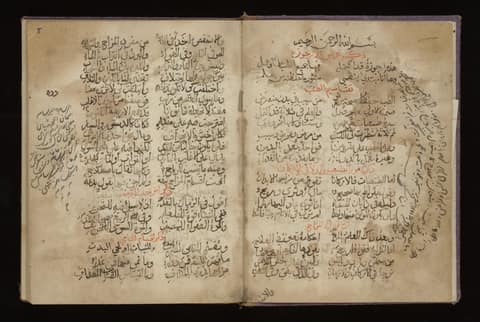
يفصد العرق من القيفال / ومنه ما يتشعب من شمال
يفصد الاكحل وكل الما / في الراس والصدر بلا عما
يفصد الباسليق في الاطراف / من شدة الصداع والرعاف
والباسليق في علاج الصدر / وما يعرض في رئته من حر
والذي يعرف بالطحال / من علل الكبد والطحال
ويفصد في الذراع من يدينا / الباسليق حرمة يقينا
ويفصد العروق في الاسافل / لما به من وجع المفاصل
والعرق خلف الاذن للمقعد / ومرجع في هامه مستقعد
ويفصد العرقان في الماقين / للرمد الكائن في العينين
والعرق في اليافوخ من رطوبه / ووجع يحدث في صعوبه
ويفصد الوداج في الالام / مستبين في العظام
في علاج لعلة من رمد / وفي سعال ووجع في كبد
والعرق في الراس الذي في الموخر / من الصداع دايما والسدر
والعرق قد يقصد في الارنبة / لما تري من بثرة في الوجنة
والعرق من تحت اللثا تفصده / من ورم ووجع تقصده
ويقصد العرق الذي في الركبة / لمرض الاحشا وتحت السرة
ويقصد الصافن في الساقين / لما تري من مرض الفرجين
ويقصد النسا علي أمراضه / والعرق في القدم عني اعراضه