Hover or tap a word to see its match.
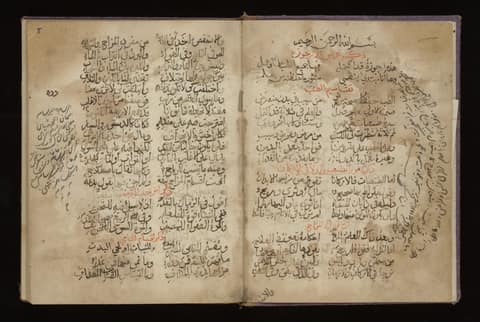
Do not continually engage in strenuous exercise / and do not leave it all entirely.
And exercise the limbs so that they tire / what you fear might gather a bad humor
By walking if you wish, or wrestling / until you see the breathing expand.
And do not exercise one who is emaciated / lest you increase his dryness through dissolution.
And exercise the one with much fat and corpulence / he must be pot-bellied.
And cease from exertion in the summer / for you are being attenuated by sweat.
And I have mentioned in the book of science / the regimen of what is needed in the body,
Of the kind of what is done or of retention / and what increases the qualities of the soul.
And all that I have mentioned in the compilation / and what I have revealed regarding quality,
Then apply it in the autumn and winter / and in the southern lands.
And in the winter, comply with its opposite / just as the sea resists its cold.
And lower the spring and the autumn / between the winter and the summer.
And keep the spring and the autumn aside / moisten it, but avoid desiccation with it.
And as for the spring and the beginning of autumn / manage them as the case in summer.
And the beginning of spring in regimen / is like the autumn in the end.
Manage them as the case in winter / I mean with what is extracted from food.
This is what is done in the state of residence / And [for] whoever travels, rely on [this] during the journey
لا تدمن الرياضة القوية / ولا تودع كلا على السوية
ورض من الاعضا كي تعبا / ما خفت ان يجمع خلطا رديا
بالمشي ان شئت او الصراع / حتي تري التنفس في اتساع
ولا ترض من كان ذا نحول / كيلا تزيد يبسه في التحليل
ورض كثير الشحم والسمنا / يجب ان يكن بطينا
وانته من التعب في المصيف / فانت من العرق في تلطيف
وقد ذكرت في كتاب العلم / تدبير ما يحتاجه في الجسم
من نوع ما يفعل او من حبس / وما يزيد من معاني النفس
وكلما ذكرته في التصنيف / وما ابديته في الكيف
فاجعله في الخريف والشتاء / وفي الجنوبي من البلدان
وفي الشتا فامتثل بضدة / كما يقاوم اليم برده
واخفض الربيع والخريف / بين الشتاء والمصيف
وجنب الربيع والخريفا / رطبه بل جنب به التجفيفا
واما في الربيع واول الخريف / دبرهما كالحال في المصيف
واول الربيع في التدبير / كمثل الخريف في الاخير
دبرهما كالحال في الشتاء / اعني بما يمتحص من غذاء
وهذا ما يفعل في حال الحضر ومن يسافر فاعتمد في السفر