Hover or tap a word to see its match.
And when the sun enters Libra, / Autumn appears plainly to the eye.
It stirs the black bile due to the greatness of its dryness, / And its coldness from its own reversal.
The strong purgative is praised in it / For him who is not free from drinking it.
So drink it in your year all at once, / And do not have recourse to it [again].
And whatever you abstain from in autumn / Of salty things with pungent things.
Then leave it, do not eat it at all, / For it causes every illness.
And anything left overnight in salt is bad, / Whether milk or dried fish.
And reduce the bathhouse and intercourse, / For they stir up aches.
And if you enter, anoint yourself before sweating, / And soothe the senses, and beware of agitation.
And use tender fat meat, / For there is no doubt about it for your body.
And eat of the fish that which has scales, / And do not taste of it that which is smooth.
And if the sharpness of appetite pains you, / Beware of drinking coffee over it.
Rather, bee's honey with julep, / If you wish to achieve what is right.
For bathing relieves him who is afflicted by epilepsy, / And sleep, provided it is early.
And beware of a poultice [or] an enema with fenugreek, / For it hastens harm.
And butter, leeks, and fat tail, / For there is no harm in eating them.
And know that all oils / Are beneficial in a season like this.
And disdain all melons and grapes, / And do not eat many dates in it.
And avoid the yellow, for it is an illness / For every body that has an illness in it.
And as for apricots, indulge in them if you eat them, / And if you want them, they benefit you whenever you do so.
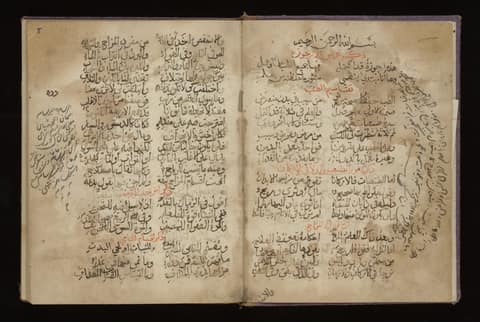
وان تحل الشمس في الميزان / يبدوا الخريف ظاهر العيان
يحرك السودا لعظم يبسه / وبرده من عكسه لنفسه
يحمد فيه المسهل القوي / لمن لم يكن عن شربه غني
فاشربه في عامك من دفعة / ولا يكن منك اليه رجعة
وكلما عفت عند الخريف / من الملوحات مع الحريف
فاتركه لا تاكله بالجملة / فانه يورث كل علة
وكل شي بات في الملح ردي / من لبن أو سمك مقدي
وقلل الحمام والجماع / انهما يهيجان الاوجاع
وان دخلت فادهن قبل العرق / وبطلن للحس واياك القلق
واستعمل اللحم السمين / فما علي جسمك فيه مريه
وكل من الاسماك ما تفلسا / ولا تذق منه الذي تملسا
وان المتك حدة الشهوة / فاحذر بان تشرب عليه قهوة
بل عسل النحل مع الجلاب / ان شئت ان تظفر بالصواب
فالغسل ينحل لمن عراه صرع / والنوم لكن ان يكون بكرة
واحذر كمادا حقنة بالحلبه / فانه يسرع في الاذيه
والزبد والكرات والآليه / فليس في اكلهم اذيه
واعلم بان ساير الاذهان / نافعة في مثل ذا الزمان
واحتقر البطيخ كله والعنب / ولا تكثر فيه من اكل الرطب
واجتنب الاصفر فهو علة / لكل جسم كان فيه العلة
والمشمش امعن فيه ان اكلته / وان ترده ينفعك متي فعلته