Hover or tap a word to see its match.
And when the sun enters Capricorn, there comes / The cold [and] wet [season] called winter.
And it is a season of intense bitter cold, / And its harm in it is the congealing of the blood.
The heavy phlegm is stirred up in it, / And through intercourse, its harm is slight.
And beware of goat and beef, / And eat turnips, radishes, and dates.
And sour milk and *mansū'a*, / And vinegar and lemon, leave them with it.
And eat of the plain foods, / Like rice, boiled meat, and *ṭabāhij*.
And consume sweets and drink *mizr* / Mixed, and meat [cooked] over coals.
And do not visit the bathhouse at dawn, / Nor sleep in the dew of the rains.
And wear more clothes and reduce movement, / Then drink lukewarm [water] and you will find a blessing.
And lie with women in bed, / With embracing, kissing, and fondling.
And beware of intercourse with a pregnant or nursing woman, / Nor an old woman, [for] there is no benefit in them.
And any who has passed fifty, / Death is manifest in her intercourse.
But the girl of eighteen, / Restores the failing limbs of old men.
Her cheeks substitute for apples / And her mouth substitutes for daisies
Thus her dark lip is a cure with ambergris / And under her armpit is like pungent musk
And if the desire for intercourse calls you / Beware of acting like snakes
And listen to what I advise you in summary / Benefits gathered in a word
Beware of excess in intercourse / For it is the foundation of a lack of success
And do not copulate on the day you undergo phlebotomy at all / Few who do thus excel
And beware of it on a day you take a purgative / For it brings about harm
And eat of highly nutritious food / Like rice with much ghee and sugar
And heads, *qatayef*, and *tabahija* / There is no harm in it nor evil consequence
And whenever you crave food [eat] / For it is more beneficial for the bodies
And eat heartily when you desire, and eat / For thus the physician said, O man
And make your survival a divided portion / Into three, all of them organized
A third for eating, and a third for water / And the final third for air
And give each of them its share / It will suffice against all sickness and affliction
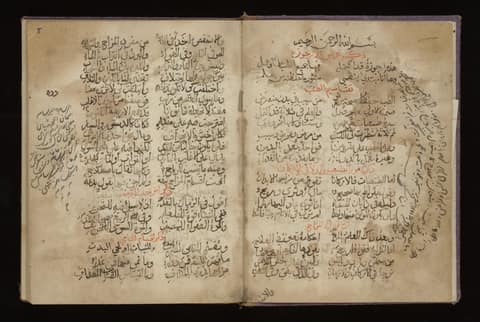
وان تحل الشمس في الجدي ياتي / البارد الرطب المسمي باشتا
وانه فصل شديد الزمهر / وضره فيه لتجميد الدم
يهيج فيه البلغم الثقيل / وبالنكاح ضره قليل
والمعز احذره ولحم البقر / واللفت والفجل فكل وتمر
واللبن الحامض والمنسوعة / والخل والليمون فاتركه معه
وكل من الاطعمة السواذج / كالرز والمصلوق والطباج
واستعمل الحلاوي وشرب المزر / ممزوجة واللحم فوق الجمر
ولا ترد الحمام في الاسحار / ولا الرقاد في ندي الامطار
واكثر من اللبس وقلل الحركة / ثم اشرب الفاتر تلقي البركة
وضاجع النسوة في الفراش / بالضم والتقبيل والمراش
واحذر نكاح حامل أو مرضع / ولا عجوز ليس فيهم منفعه
وكل من جاوزت خمسينا / فالموت في نكاحها مبينا
لكن بنت العشر والثمانيه / ترد اعضا الشيوخ الفانيه
خدودها تغني عن التفاح وثغرها يغني عن الاقاح
كذا لماها شاف مع عنبر وتحت ابطها كمسك اذفر
وان دعتك شهوة الجماع اياك ان تعمل كالافاعي
واسمع لما اوصيك فيه جملة فوايد مجموعة في كلمة
اياك ان تسرف في النكاح اذ هو اساس قلة الفلاح
ولا تجامع يوم تفصد شطرا قليل من يفعل كذاك فضلا
واحذره في يوم تاخد فيه المسهل فانه مجلبة للضرر
وكل من طعام المغذي الكثير كالرز بالسمن الكثير السكر
والرؤس والقطايف والطباهجه لا ضرر فيه ولا وباله
وكلما اشتقت الى الطعام فانه انفع للاجسام
ومكن الاكل اذا اشتقت وكل فكذا قال الحكيم يا رجل
واجعل بقاك قسمة مقسومة على ثلاثة كلها منظومة
الثلث للاكل وثلث الما والثلث الاخير للهوا
واعط لكل منهم نصيبة تكفي جميع السقم والمصيبة