Hover or tap a word to see its match.
The body is created from mixtures, / different in color and temperament:
From phlegm and yellow bile, / and from blood and black bile.
And natural phlegm is that which has no taste, / and which has a balanced coldness.
And of it is what is known as vitreous, / and it is thick, cold of temperament.
And of it is a phlegm called salty / to heat and dryness you see it inclining
And of it is what tastes like sweet / and it is not devoid of heat
And of it is like the sour, and it is colder / it is in the stomach when it corrupts
And the yellow bile is in colors / one is known as smoky
And of it is like verdigris and leek / and these have many impurities
And another is known as yolk-like / and its powers are not bad
And the deep red, likewise the bitter / and all of them are attributed to heat
And blood is what originates from the liver / it penetrates into the veins of this body
And of it is a thing contained in the heart / and blood in its powers is hot and moist
And a dwelling in the spleen is known / this is a belief for a good state
And thus blood is the natural [humor] / and whatever else is not natural
And it only occurs by mixing / and by the burning of the other humors
The principal organs of the body are four / and others you see branched from them
So one of these is the liver / and it undertakes nutrition for the body
And the heart nourishes the body with life / without it the body would be like plants
And the center of sensation is like the element / it penetrates what it penetrates in the most manifest way
Likewise the brain with the spinal cord and nerves / protects the fire of the heart lest it inflame
And from them the joints are moved / and the testicles are the instrument of reproduction
They preserve the species in their reproduction / because in their perishing is cessation
And flesh, fat, and the types of glands / act as a support for these
Bone, membrane, and ligament / are pillars for the body and a precaution
So that the body and structure are completed / and they are servants to all the principal [organs]
And the nail at the extremities is for assistance / and hair is for excess matter or for adornment
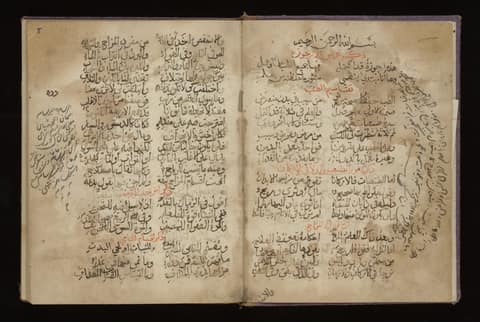
الجسم مخلوق من الامشاج / مختلفات اللون والمزاج
من بلغم ومرة صفراء / ومن دم ومرة سوداء
والبلغم الطبيعي ما لا طعم له / وماله برودة معتدلة
ومنه ما يعرف بالزجاجي / وهو غليظ بارد المزاجي
ومنه بلغم مرة صفراء / ومن دم ومرة سوداء
والبلغم الطبيعي كالاطعمة / ومالا برودة فيه معتدلة
ومنه مايعرف بالزجاجي / وهو غليظ بارد المزاجي
ومنه بلغم يسمى مالحا / للحر باليبس تراه جانحا
ومنه ما مطعمه كالحلو / وليس من حرارة يخلو
ومنه كالحامض وهو ابرد / يكون في المعدة حين يفسد
والمرة الصفرا تكون في الالوان / فواحدة تعرف بالدخان
ومنه كالزنجار والكراث / وهذه كثيرة الاخباث
وغيره يعرف بالمحي / وليس في قواه بالردي
والاحمر القاني كذا المرارة / وكلهما تنسب للحرارة
والدم ما منشاه من الكبد / ينفذ في عروق هذا الجسد
ومنه شئ قد حواه القلب / والدم في قواه حر رطب
ومسكن في الطحال يعرف / هذا اعتقاد لحسن الحال
وهكذا الدم هو الطبيعي / وما سواه ليس بالمطبوعي
وانما يحدث باختلاط / وباحتراق ساير الاخلاط
اصول اعضاء الجسم اربعة / وغيرها تري منها مفرعة
فواحد من هذه هو الكبد / وهو يقوم بالغذا للجسد
والقلب يغذي الجسم بالحياة / لولاه كان الجسم كالنباتي
ومركز الجسم مثل العنصر / ينفذ ما ينفذه في الاظهر
كذا الدماغ بالنخاع والعصب / يحفظ نار القلب ان لا تلتهب
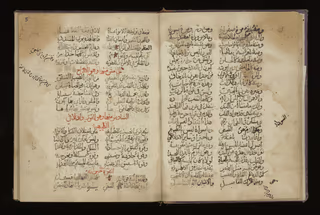
ومنها حركت المفاصل / والانثيان الة التناسل
تحفظ في توليدها الانواعا / لان في فنائها انقطاعا
واللحم والشحم واصناف الغدد / فانها لهذه يجري المسدد
العظم والغشا والرباط / دعايم للجسم واحتياط
كي يتم للجسم والقوام / وللاصول كلها خدام
والظفر في الاطراف للمعونه / والشعر للفضلات اوللزينه