Hover or tap a word to see its match.
Praise be to God, the remover of illnesses / And the Creator of creation, the Ancient, the Eternal.
He brought us into existence from these elements / Four, to perfect the elucidation.
And this world is from variance / Its manifestation from its nature is variance.
From the surface of the earth, and it is cold / And dry in nature, and it is solid.
He created first a handful, and second / Adam and Noah in perishability
He intended to populate the lands with them / and that they procreate so the servants [of God] multiply
He created them from a clot and a lump of flesh / and bone, then He clothed them in vastness
And He connected the separated parts within them / then He bound them and thereby perfected them
And He tightened them by the rule of the tendons / and extended them by night and day
Then He spread out in him such organs / as make the sensed thing fit for investigation
Then He placed in him pulsating veins / and others, non-pulsating, lying alongside
Meeting him are one hundred and sixty-six / regarding which there is no disagreement among the nations
Then He made its supports strong / divided evenly into two halves
The first of them are the bones of the skull / and their number is seven, so do not deviate
Because they are known as the *qabāʾil* (skull divisions) / by which the head is truly complete
What is between them necessitates stillness / their sutures are known as *shuʾūn*
And in the upper jaw, of the bones / there are six, and twelve pathways in total
And in the lower jaw you see two bones / their cavities are the outlets of the teeth
Two central incisors, then two lateral incisors / followed by the premolars [and] the canines
Four opposite four / harvesting, and the attainment of benefit comes
So this is the totality of the teeth / and what the mouths of humans contain
And in the arms are the bones of the two shoulders / and after them the bones of the two upper arms
Then bones whose origin begins / by which benefit is completed with their brother (counterpart)
After them are eight bones in my count / by which the wrist is completed so that it is guided
Eight in the inner parts of the palms / by which the palm becomes two clear palms
Along with the phalanges in the fingers / fifteen, having nothing to gather them
And the neck, its vertebrae are known / they are seven, clear and understood
And the clavicle, its bones are two / by which the creation of man is completed
And the chest has a pleura and a covering / for the heart, so assess it with the best expertise
Because it is known by the bones of the sternum / you have understood it, so understand free of confusion
Arranged from known bones / in the back, familiar in their cavity
And they are vertebrae, you see, perforated / in their middle is the spinal cord for the modality
So that the nerves and tendons may grow [from it] / just as the Creator God has crafted them
Compounded of two halves along the length of the body / extending to holes between them for seven
Their known number is seventeen / He created them in the entirety of mankind
From them grow the bones of the ribs / bordered by the wisdom of a Maker
From each side, twelve / known, specific in measure
And these firm supports / are built upon established foundations
Known as the coccyx and the two sacra / just as they are the supports of the two thighs
Connected to the bone of the two lower legs / their foundation is connected to the two ankles
And He perfected them in front with two bones / convex, known as the two naviculars
Establishing the heel with the tendons / and the totality of the nerves is the craft of the Creator
Tightly compounded of two pairs / and a single one with no brother in the two sexes
The totality of the organs (bones) in man / is two hundred, followed by eighty-four
And if one is concerned with completing the count / it is the word of a physician whose knowledge is correct
And these molds are from the soul of the nerve / because they are a cause for the pathway of the spirit
And this spirit of mankind / is like a foundation for preserving creation
Its source is the brain fundamentally / and it is its meninges, and through it is clarity
Seven pairs of nerves / and the brain named them for reasons
Through them is the power of the senses / which serve people by themselves
And from the spinal cord that branch / goes out abundantly if the nerves multiply
Thirty-one completely / solitary, with no brother in the system
And the heart resides in this region / like a king guarded in a citadel
And its veil is dropped over the rest of the nations / for it is the diaphragm, preventing and not oppressing
And it is the vessel of the spirit in the human / and from it, it has traveled in the artery
And by this spirit there is life / and its absence is the path to death
And this lung and the liver together / then the gallbladder and the spleen combined
Like a bathhouse with four compartments / divided for the purposes of utility
As for the gallbladder, it is the house of fire / in the body, the large and the cave
As for the spleen, it is the house of the cold / in its dryness is a moderation for benefits
Then We made the liver a temperate house / wherein heat and moisture descend
Because it is the source of the natural spirit / so understand my speech and if you are listening
And We have made the esophagus and the stomach / like a kitchen for what the table contains
And We have made these as servants / in the essence of this sovereign king
For the heart is a final sanctuary from them / and the place of safety has become in the veins
To nourish the bodies so they do not dissolve / and water the crops so they do not wither
And the skin is a wall surrounding the body / protecting it from afflictions when they arrive
And the eye is a sun and its sister is the moon / shining from above it, so they are radiant
And every eye has seven layers / so understand the words of the one knowledgeable in the soft parts
The first of the layers is the sclera / then the choroid by agreement
After it, the third is the retina / and the arachnoid perceiving it
And the uvea after it, and the cornea / and the conjunctiva in its position, and the brilliant
Then the humors that are between them / are three, ranked after it
The first is like glass / because it is from the essence of mixtures
After it is a division nobler than it / residing in the center of this pupil
And it is the crystalline humor, possessing honor / over its peers with what is not hidden
Through it is noble vision / and the rest are rows of servants
Either for acquiring benefit / or they repel the raised harm
After it is the aqueous humor / by it the benefit in quality is completed
By it the eye is round / and receives the sensible object in its refinement
And for this eye there are movers / nine muscles participating in it
And the distribution of the veins with the nerves / so understand with the understanding of those with intellects
And the fat over the nerve contains a benefit / to preserve the deposited heat
And the two testicles, which are the house of management / so understand my speech and pay attention to my report
The penis has been divided like two channels / to populate the world through coupling
And as for the bladder, it is like a drain / and the male organ is benefited by the drain
And the receptacle of wastes in the bodies / by it the benefit in the hands is completed
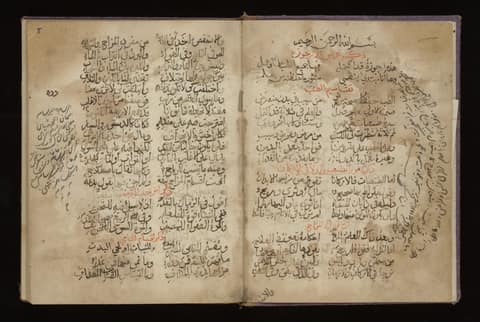
الحمد لله مزيل العللِ / وخالق الخلق القديم الازلي
اوجدنا من هذه الاركانِ / اربعة لتحكم التبيانِ
فهذه الدنيا من التباينِ / بيانها من طبعها تباني
من ادم الارض وهو بارد / ويابس في الطبع وهو جامد
اوجد اولا قبضا وثاني فادم ونوح في تفاني
اراد ان يعمر بهم البلدان وينسلوا فتكثر العبدان
خلقهم من علقة ومضغة وعظم ثم كساها سعة
واوصل المنفصلات فيها ثم ربطها وبها احكمها
وشدّها بحكم الاوتار وامدها بالليل والنهار
ثم بسط فيه من الاعضا ما يصلح المحسوس للاستقصا
ثم جعل فيه عروق ضاربة وغيرها سواكن مجانبة
تلاقيه ستة وستون ومية لم يكن فيها خلاف في الامم
ثم جعل دعائمها قوية مقسومة شطرين بالسوية
اولها فهي عظام القحف وعددها سبعة فلا تحف
لانها تعرف بالقبايل بها يكون الراس حقا كامل
ما بينهم يستلزم سكون دروزها تعرف بالشؤون
وفي اللحي الاعلى من العظام ستة واثنا عشر مجرى بالتمام
وفي اللحي الاسفل تري عظمان تجويفها مخارج الاسنان
سنيتان ثم رباعيان يتبعها نواجذ الانياب
اربعة يقابلون اربعة يحصد وياتي حصول المنفعة
فهذه جملة الاسنان وما حوى الافواه من انسان
وفي اليدين اعظم الكتفين وبعدهم اعظم العضدين
ثم عظام مبدأ منشاها بها يتم النفع مع اخاها
من بعدها ثمان عظام عددي بها يتم الرسغ حتى يهتدي
ثمانية في باطن الكفين بها يكون الكف كفين بين
مع السلاميات في الاصابع عشر وخمس ما لهن جامع
والعنق فقاراته معلومة هن سبعة مبينة مفهومة
والترقوة عظامها اثنان بها يتم خلقة الانسان
والصدر فيه جنبة وسترة للقلب فاحزرها باحسن خبرة
لانها تعرف بعظام القص فهمتها فافهم خالي اللبس
مرتبة من اعظم معروفة في الظهر في تجويفها مالوفة
وهي فقارات تري مثقبة في وسطها النخاع للكيفية
لتنبت الاعصاب والاوتار كما صنعها الاله الباري
مركبة شطرين في طول الجسد الى ثقوب بينها لسبعة تمد
عدد ما معلومة سبعة عشر خلقها في جملة البشر
ينبت منها اعظم الاضلاع محفوفة بحكم صنّاع
من كل جنب اثنا عشر معلومة مخصوصة في القدر
وهذه الدعائم المتينة على اساس محققة المبنية
تعرف بالعصعص والعجزين كما هما دعائم الفخذين
موصولة بعظم الساقين اساسها موصول بالكعبين
واحكمها قدام من عظمين محدوبة تعرف بزورقين
محققة العقب مع الاوتار وجملة الاعصاب صنع الباري
مركبة محكم من زوجين ومفرد لا اخ له في الجنسين
جملة الاعضا في الانسان مايتين يتلوا اربعة وثمانين
وان يعنى كي يتم العدد قول حكيم وعلمه مسدد
وهذه القوالب من نفس العصب لانها لمسلك الروح سبب
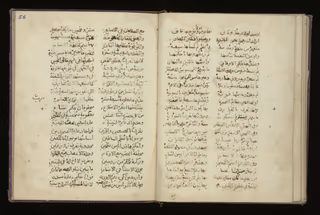
وهذه الروح من الاناس / فهي لحفظ الخلق كالاساس
لها معدنها الدماغ في الاسّه / وهو سحاها وبها البيان
سبع ازواج من الاعصاب / وهو سماها الدماغ لاسباب
بها تكون قوة الحواس / الخادمة بنفسها للناس
ومن نخاع الظهر تلك الشعبة / تخرج كثيرا ان كثر في العصبة
أحد وثلثين على التمام / مفردة لا اخ له في النظام
والقلب مستوطن هذه البقعة / شبه ملك احترز بقلعة
وستره مسبل على باقي الامم / فهو الحجاب وما نعا وما ظلم
وهو وعاء الروح في الانسان / ومنه قد سلك في الشريان
وهذه الروح بها الحياة / وعدمها طريق للممات
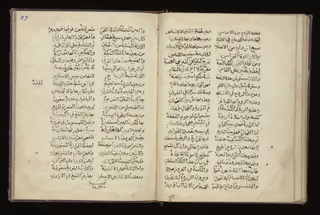
وهذه الرية والكبد معاً / ثم المرارة والطحال جمعاً
كشبه حمام خلاه اربعة / مقتسمات لوجوه المنفعة
اما المرارة فهي بيت النار / في الجسم الكباري والمغار
اما الطحال فهو بيت البارد / في يبسه تعديل للفوايد
ثم جعلنا الكبد بيت معتدل / فيه الحرارة والرطوبة تنسدل
لانها معدن لروح طبع / فافهم مقالي وان تكن لتسمع
وقد جعلنا المري والمعدة / كمطبخ لما حوته المايدة
وقد جعلنا هذه خدمان / في ذات هذا الملك السلطان
فان منها القلب حرز اخير / والمامنة في العروق صاير
ليغذي الاجسام كيلا تنحل / ويروي الزروع كيلا تذبل
والجلد سور وداير الجسد / يحميه من الافات اذا ورد
والعين شمساً واختها القمر / مشرقة من فوقها فهي زهر
وكل عين فهي سبع طبقات / فافهم كلام العالم بالمراق
الاوله الصلبة من الطبقات / ثم المشيمة على الاتفاق
من بعدها ثالثة الشبكة / والعنكبوتية لها مدركة
والعنبية بعدها والقرني / والملتحم في وضعها والسني
ثم الرطوبات اللواتي بينها / ثلاثة من بعدها رتبتها
الاوله شبه الزجاج / لانه من جوهر الامشاج
من بعده اشرف منها قسمة / في وسط هذي الحدقة مُقِيمَة
وهي الجليدية ذات الشرف / على نظايرها بما لا يختفي
بها يكون النظر الشريف / والباقيات خدم صفوف
اما لتحصيل من المنفوع / او يدفعون الضرر المرفوع
من بعدها الرطوبة البيضية / بها يتم النفع في الكيفية
بها تكون العين مستديرة / وتقبل المحسوس في تحريرة
ولهذه العين لها محاركة / تسع عضل لها مشاركة
وقسم العروق بالاعصاب / فافهم فهم ذوي الالباب
والشحم فوق العصب فيه منفعة / ليحفظ الحرارة المستودعة
والانثيين وهي بيت التدبير / فافهم مقالي وانتبه لتقريري
قد قسم القضيب كالمجران / ليعمر الدنيا على القران
وأما المثانة فهي كالبالوعة / والذكر بالبلوعة منفوعة
ومعدن الاثقال في الاجساد / بها يتم النفع في الايادي