Hover or tap a word to see its match.
He is the one whose adornment is perfection / And merit, honor, and majesty
He took it from the best of ancestors and lineage / And an affiliation to acquired refinement
Until he benefited from abundant knowledge / Transmitting it from ancestor after ancestor
And the rest of those after them to him / Their need is directed toward him
For if I embark upon his praises / I would fall short even if I were verbose in praising him
This, and I have been provided a good provision / When I composed in verse his wisdom and affair
Virtues that have compelled admiration / Their abundance in poetry resembles a chapter
A miracle by measure arose for them / As if they were like sand or drops of rain
It is no wonder if counting them is prolonged / As well as describing them, marking them, and defining them
For I have gathered them in summary / Even if I have not enumerated them in detail
The poet has no merit in describing them / Except by what he has excelled in arranging them
Because they are famous and known / By merit if I count them in verse
Just as we see volumes in books / As long as an orb revolves on an axis
And here I mention to you their particulars / So listen, you will obtain their clarification
An intellect that has a little of its dignity / Which deters a person from despising him
And compels awe and reverence / Taking its place among his enviers
And gentleness with refinement and elegance / From which a fragrance diffuses among all
And piety in his firm religion / Adorning it with justice and realization
He enacts from policy and gentleness / His judgments with leniency or with force
He spread the carpet of justice for disputants / And vanquished the oppressor for the oppressed
So every oppressed person with a right, he makes him happy / And every tyrant, with justice, he suppresses him
Until he tended with the justice of this shepherd / The sheep and the wolves in the pastures
With truth, status, and nobility / He has made light of his wealth and his status
So for the sake of hopes he is in hardship / until wealth became one of his enemies
And here I am, devoted to him / and placing my affair in his hands,
So that I may be knowledgeable of his domain / and seeking shade in his shady shadow,
I am honored in his gathering and welcomed / I guide in my versification for him and expound,
And survival by it is a means for me / an intercession tomorrow for merit by virtue.
The most honorable of people is that I love them / our deed has guarded against the utterance of accusations.
And poetry is a melody for the eloquent person / just as physicians are for the kings of the body.
Because they have been occupied with pleasures / giving it the most in pleasures.
And this is a rajaz poem in which has been completed / all of medicine, in theory and practice.
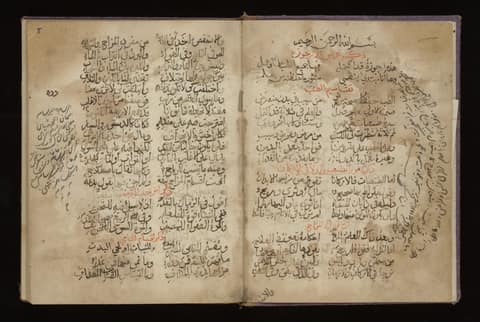
هو الذي حليته الكمال / والفضل والاكرام والجلال
اخذه من خير جد ونسب / ونسبة للادب المكتسب
حتى استفاد بعلم وفر / يرويه عن سلف بعد سلف
وسائر من بعدهم اليه / متجه افتقاره عليه
فاني اذا شرعت في امداحه / قصرت لو اطنبت في امتداحه
هذا وقد رزقت رزقا حسنا / اذا نظمت حكمته والشانا
فضائل قد اوجبت اعجابا / كثيرها في النظم اشبه بابا
قامت لهم معجزة بقدر / كانها كالرمل او كالقطر
لا عجب ان استطال عدها / ووصفها ووسمها وحدها
فانني قد جمعتها مجملا / ان لم اكن احصيتها مفصلا
فليس للشاعر فضل وصفها / الا بما اجاده من رصفها
لانها مشهورة معلومة / بالفضل ان اعدها منظومة
كما نرى مجلدات في الكتب / ما يستدير فلك على قطب
وها انا اذكر لكم اعيانها / فاسمعوا تحصلوا بيانها
عقل له اليسير من وقاره / ما يزجر المرء عن احتقاره
ويلزم الرهبة والمهابة / ينوب في حساده منابه
ورقة مع ادب وظرف / يضوع في الجميع منه عرف
وورع في دينه الوثيق / يزينه بالعدل والتحقيق
يشرع من سياسة ولطف / احكامه باللين او بالعنف
مد بساط العدل للخصوم / فقهر الظالم للمظلوم
فكل مظلوم بحق يفرحه / وكل جبار بعدل يقمعه
حتى رعى بعدل هذا الراعي / الشاة والذئاب في المراعي
بالحق والجاه والسفاهة / قد استهان ماله وجاهه
فلأجل الاعمال في عناء / حتى كان المال من اعداه
وها انا منقطع ∴ اليه / وجاعل امري في يديه
حتى اكون عالما بحله / ومستظلا بظليل ظله
أكرم في مجلسه وأبسط / أدل في نظمي له وأبسط
ولي البقا بها وسيله / شفعا غدا للفضل بالفضيله
أشرف الناس أن أحبهم / صنيعنا وفي مقاله التهم
والشعر للمرء الفصيح لحن / كما الاطبا لملوك البدن
لأنهم قد شغلوا باللذات / يعطونها الأكثر في لذات
وهذه أرجوزة قد أكمل / فيها جميع الطب علما وعمل