Hover or tap a word to see its match.
And every illness resolves in a period / so of the short, its days are acute
It kills the sick person in a short time / or resolves with a good crisis
It is rapid in concoction and times / difficult, dangerous in matter and afflictions
You know it from the shortness of its beginning / so you adjust the regimen in his diet
And do not overburden his strength / and do not neglect his diet
Lest the strength fall at its beginning / and you do not perceive it before its end
Rather, the diet should be of exact measures / measured out like provisions for the traveler
And if you see the difficulty of the signs / and the danger of the ailments and pains
And strength that has turned to falling / and the mind in deficiency and in confusion
And the illness cannot be borne by his strength / warn of death before its end
And know it by the badness of symptoms / and by what is seen in the diseases
And of the long [diseases] called chronic / it does not dissolve the body quickly
But it kills by wasting away / like phthisis and hectic fever with emaciation
Or it resolves in a long time / and it resolves by concoction and resolution
He recognizes it by the mildness of the symptoms / and whatever is worse among the diseases
Do not nourish him with little food / lest the strength fail from a little [nourishment]
And between these are moderate sicknesses / whose durations are neither short nor long
So moderate the food in attenuation / neither making it strong nor weak
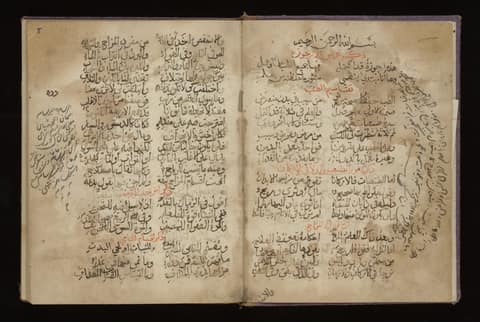
وكل سقم ينقضي في مدة / فمن قصير ايامه ذو حدة
يقتل في العليل من زمان / او ينقضي بجيد البحران
فهو سريع النضج والاوقات / صعب خطير الامر والافات
تعرفه من قصر ابتداية / فتعدل التدبير في غداية
ولا تكن مثقلا قواه / ولا تكن مهملا غذاه
فتسقط القوة في ابتداه / ولا تحس قبل منتهاه
بل الغذاء محكم المقادير / مقدر كالزاد للمسافر
وان ترى صعوبة الاعلام / وخطر الاوصاب والالام
وقوة حالت الى السقوط / والعقل في نقص وفي تخليط
والسقم لا تحمله قواه / انذر بموت قبل منتهاه
واعرفه بالردي من اعراض / وبالمرائيات في الامراض
ومن طويل يسمي مزمنا بسرعة ليس يحل للبدنا
لكنه يقتل بالذبول كالسل والدق مع النحول
او ينقضي في زمن طويل وينقضي بالنضج والتحليل
يعرفه بخفة الاعراض وكلما أردئ من الامراض
لا تغذه بمطعم قليل فتسقط القوة من قليل
وبين ذا الاسقام معتدل لم تقصر أوقاته ولم تطل
فوسط الغذاء في تلطيف لا بقويه ولا الضعيف