Coena, sive De cibariorum virtutibus: A Latin medical dinner poem with notes on diet and natural history
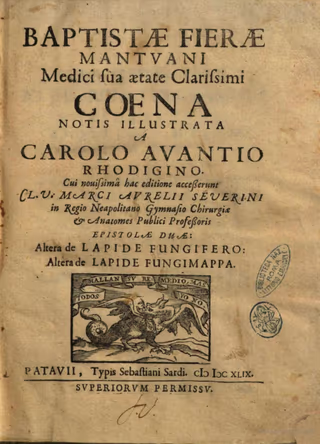
By Battista Fiera · Published 1649 · Latin with English translation · Internet Archive / Google Books
Historian’s note. This text records the medicine of its own time, and later evidence has replaced most of it. It is not medical advice. We read it as history, and we ask what, if anything, connects it to medicine today.
Historian’s note. This text records the medicine of its own time, and later evidence has replaced most of it. It is not medical advice. We read it as history, and we ask what, if anything, connects it to medicine today. More on how we read old medical books
We have not yet reviewed the translation of this book.
Coena, sive De cibariorum virtutibus
A Latin medical dinner poem with notes on diet and natural history
By Battista Fiera, 1649. The edition has the page scans, the Latin text, and an English translation.
Battista Fiera (1465–1538), a physician of Mantua, wrote the Coena (“The Dinner”) about 1490 at the command of Cardinal Raffaele Riario in Rome. It is a Latin poem in elegiac couplets on about 150 foods and drinks, including spelt, beans, figs, truffles, milk, cheese, pepper and wine. For each one Fiera gives its humoral qualities, the best kind, who should avoid it and how to eat it. This edition is the 1649 Padua printing, with notes by Carlo Avanzi of Rovigo.
Fiera often writes in questions and answers. On milk he asks, “Which is best? The goat’s: after that? The sheep’s: then? The cow’s.” Printers at Paris, Basel, Strasbourg and Venice reissued the poem before 1572. Conrad Gessner praised Fiera for describing “many simples and flavorings” in elegiac verse. Avanzi dedicated his edition to Johann Georg Volckamer, city physician of Nuremberg.
Battista Fiera is listed with the physician-poets in this library.
| Date | Place | Work | Notes |
|---|---|---|---|
| c. 1494 | Rome | Coena By Battista Fiera | Fiera wrote the poem after taking his medical degree at Pavia, while he lived in the household of Cardinal Riario. Eucharius Silber printed it in 30 quarto leaves with a commendatory epigram by Pomponio Leto. Fiera later served as physician to Francesco II Gonzaga at Mantua and was a friend of the painter Andrea Mantegna. |
| 1649 | Padua | Coena, sive De cibariorum virtutibus Edited by Carlo Avanzi | Printed by Sebastiano Sardi. Avanzi completed notes begun by his late brother, citing Galen, Hippocrates, Avicenna, Pliny and Dioscorides on each food. The volume adds two letters by the Naples anatomist Marco Aurelio Severino on the lapis fungifer, the “mushroom-bearing stone,” and the fungimappa stone. |

Illustrations
33 illustrations. Each opens its page in the reader, zoomed to the picture.
-
-
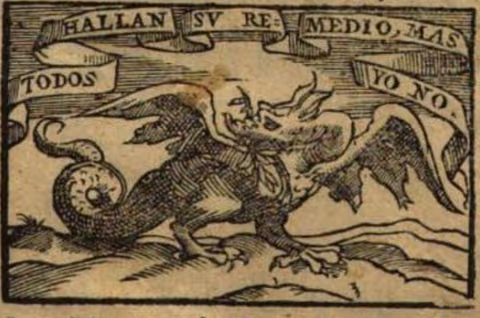
ALL FIND THEIR REMEDY, BUT I DO NOT. -

-
-
-
-
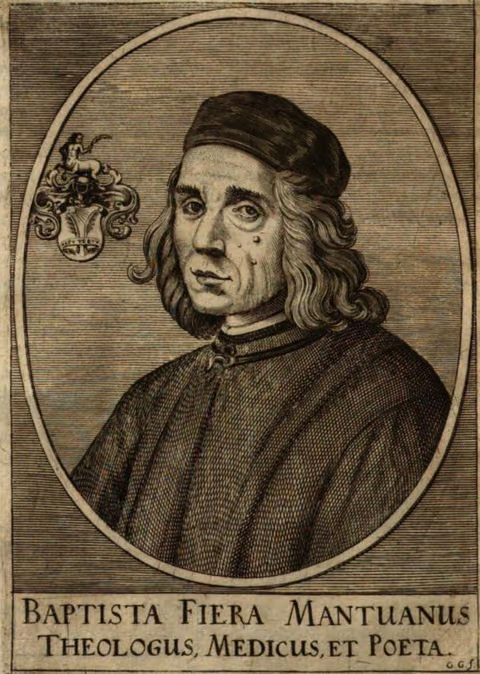
Battista Fiera of Mantua Theologian, Physician, and Poet. -
-
B. Stag. 72. -
-
-
-
-
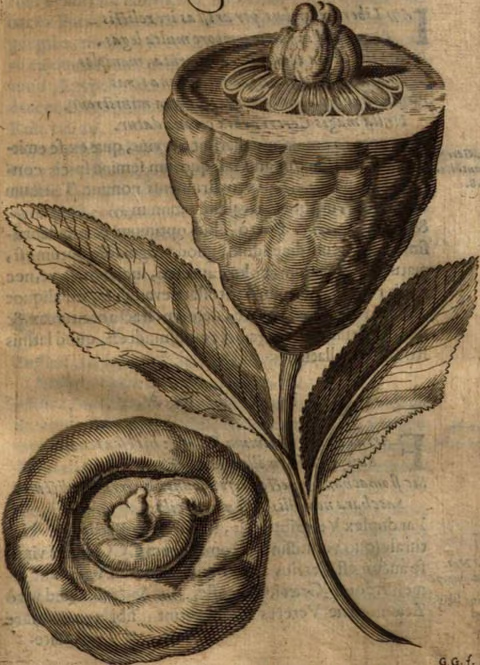
Pregnant Lemon. -
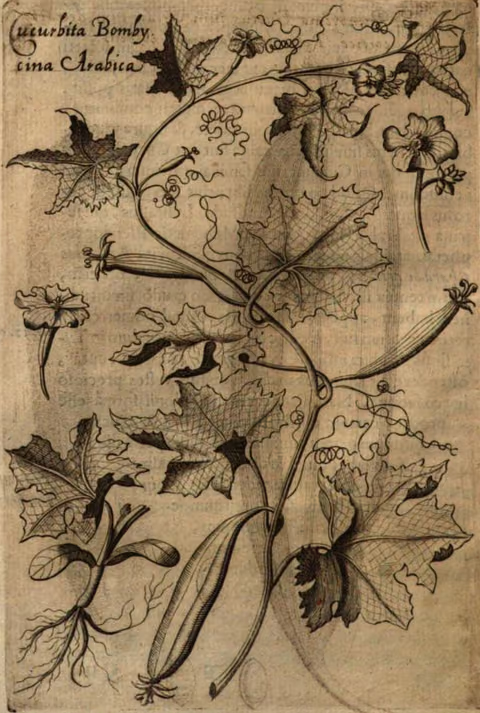
Arabian silken gourd -
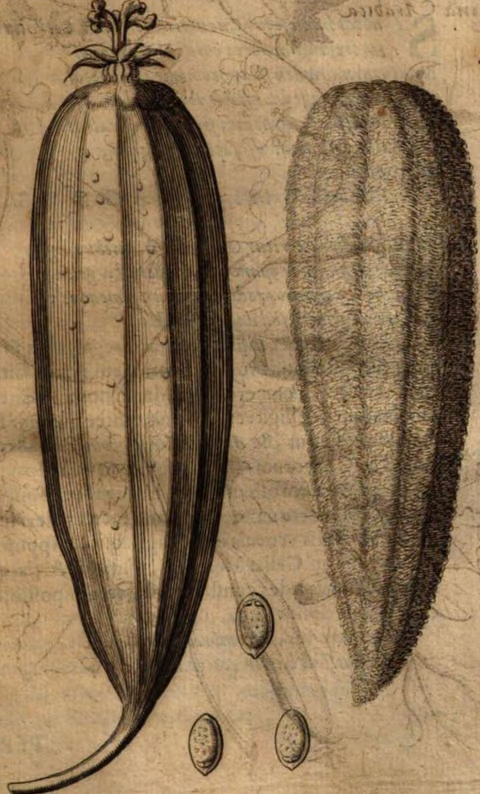
Fruit of the silken gourd, both green, and, with the rind removed, showing only the network. -
BREAD -
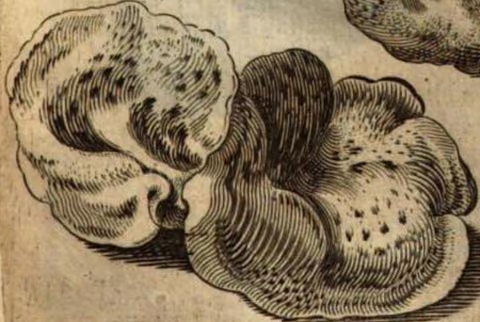
Fungus Lyncurius -
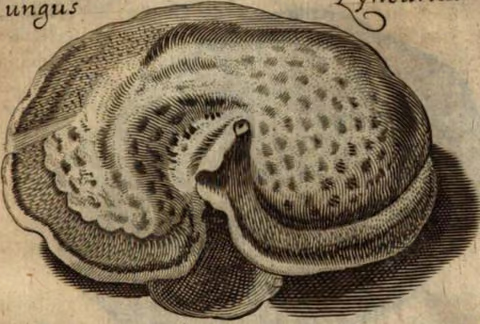
Fungus Lyncurius -
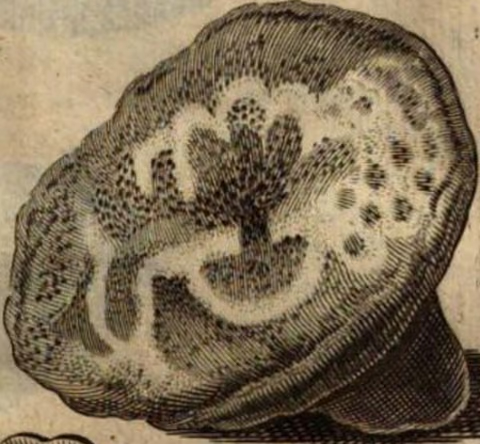
Fungus Lyncurius -
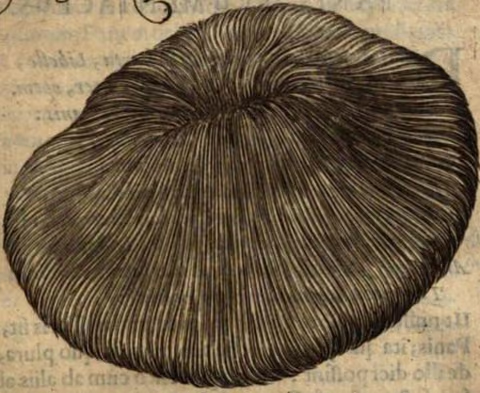
Stony Mushroom from the Red Sea. -
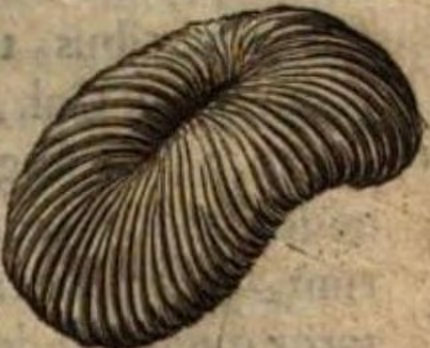
Stony Mushroom from the Red Sea. -
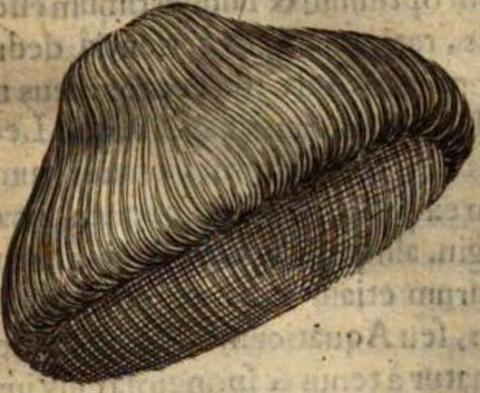
Stony Mushroom from the Red Sea. -

-
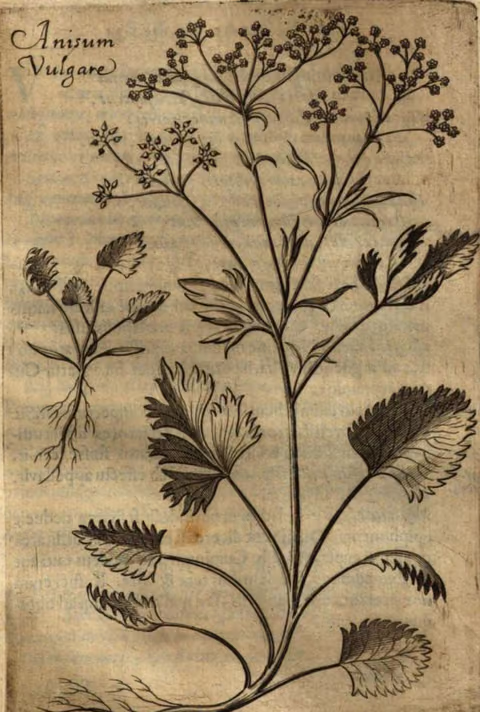
Common Anise -
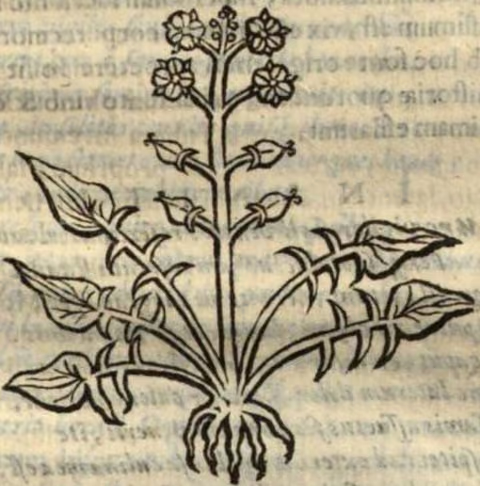
T U B E R O N I A. -
-
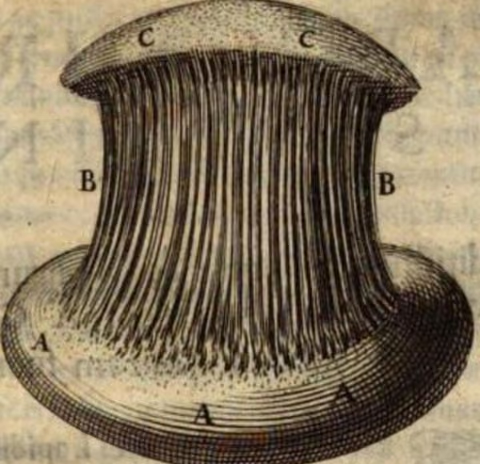
FUNGIMAPPA With its cap intact FUNGIMAPPA With its cap removed A A The underlying small stone, the site for the growing organism B B The rising stalks C C The superimposed cloth D D The small stone underlying the vegetation E E The stalks deprived of their cloth, and therefore leaning over. -
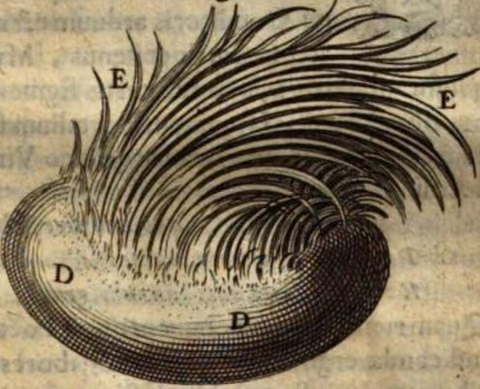
FUNGIMAPPA With its cap intact FUNGIMAPPA With its cap removed A A The underlying small stone, the site for the growing organism B B The rising stalks C C The superimposed cloth D D The small stone underlying the vegetation E E The stalks deprived of their cloth, and therefore leaning over. -
-
THE END. -
A. -
Poems
237 poems, grouped by theme.
Everyday life & work · 50
- & facient optata tonitrua cænas
- A G N U S. V E R V E X.
- A L L I A.
- A N S E R. A N A S.
- A V I C U L Æ.
- B A T I C V L A.
- B U B A L V S .
- B U T Y R U M.
- Boletum, qualem Claudius edit, edat.
- C A P R E O L U S. D A M A.
- C E R A S A.
- C U C U R B I T A.
- CANCER. GAMMARUS.
- CARO PINGUIS, ET SALSA.
- Cerea quæ patulo lucet Ficedula lumbo
- Cerea quæ patulo lucet Ficedula lumbo
- CINNAMOMUM.
- Cocurges, cocombres, & melons
- F I C E D U L A.
- F I C E D U L A.
- F L O S S A M B U C I.
- F O E N I C U L U M.
- G A R I O P H Y L U M.
- Intulit hunc primus cœnis Hortenſius audax:
- L E P U S.
- M A L A M E D I C A.
- M A L A P U N I C A .
- M E L.
- M I L I U M . P A N I C U M .
- M O R A.
- MERULUS. TURDUS.
- N E R A N T I A.
- O C U L I. C E R E B E L L A.
- O R Y Z A .
- O V A.
- OLEUM OLIVARUM.
- P H A S I A N U S.
- P I S A.
- P I S C I S.
- P R U N A.
- PANIS NON FRUMENTACEUS.
- PASTINACA. STAPHYLINUS.
- R A P A. N A P I.
- REN. COR. PULMO. LIEN. VENTER.
- S A L.
- S U S. A P E R.
- Tute Lepus es, &
- U B E R A.
- Ut nigram citò raptus in culinam
- Ἔν δέ τε ναπύην, ῥάφανόνθ' ἅλις, ἐν δέ τε λεπτὰς
Care & treatment · 45
- A B R O T O N U M .
- A B S I N T H I U M.
- A C E T V M.
- A M A R A C U S.
- A N E T H U M.
- A N I S U M .
- A S C A L O N I A.
- APIUM. PETROSELINUM.
- ARTEMISIA.
- B A C C A H E D E R Æ.
- B A C C A J U N I P E R I.
- C A P P A R I S.
- C A S E U S.
- C I C E R.
- C U C U M I S M A G N U S.
- C Y D O N I A.
- Cùm Colum inviſum morbi genus intima carpit,
- D R A C U N C U L U S.
- E R U C A.
- ENDIVIA. CICHORIA.
- F A R R A.
- F R I C T I O.
- H O R D E A.
- I N U L A.
- L A C.
- L E N S.
- M A L A.
- O L I V A.
- P A P A V E R.
- P E P O.
- P I M P I N E L L A.
- P I N E A.
- P I S T A C I U M.
- P O R T U L A C A.
- P Y R A.
- PISCIS SALSVS.
- Prima tibi dabitur ventri Lactuca movendo
- Pruna peregrinæ carie rugoſa ſenectæ
- R U T A.
- ROS-MARINUS.
- S A L V I A.
- S E R P Y L L U M.
- S P I N A C H I A.
- U V A P A S S A.
- V I N A A Q V A T I C A.
Health & bodily conditions · 24
- A L A U D A.
- ALAUDA.
- B A L N E U M.
- B E T A.
- B E T O N I C A.
- C A S T A N E A.
- C O R I A N D R U M.
- C O R N A.
- C O T U R N I X.
- C R O C U S.
- CUCUMIS PARVUS. CITRULLUS.
- Cùm Colum inviſum morbi genus intima carpit,
- M E L I S S A.
- M E N T H A.
- N U X M O S C A T A.
- N V X.
- P I P E R.
- P O R R U M.
- P R A S I U M.
- RAPHANUS. ARMORACIA.
- S O M N U S.
- T U B E R A .
- Tota mihi dormitur hiems : ſed pinguior illo
- V I N U M.
Natural world · 22
- A V E L L A N A.
- ARBUTA. MESPILA. SORBA.
- B R A S S I C A.
- C O T U R N I X.
- CARDUUS HORTENSIS.
- Cujus pectora nunc premuntur hirta
- D A C T Y L I.
- Deprimitur folio Viridis, pede candida Beta.
- E R I N A C E U S.
- F I C V S.
- F U N G I.
- ille ſalubres
- L I M A X. C O C H L E A.
- MALA ARMENIACA.
- Plantæ aliæ, nullis hominum cogentibus, ipſæ
- R A N A.
- S I U M.
- S P E L T A.
- Seq́; laceſſenti fletum factura Sinapi.
- T E S T U D O.
- Z I Z Y P H A .
- Ἀλλὰ ἢ ῥαφάνοιο πόροις σπειρώδεα κόρσον ,
Feelings & inner life · 20
- A N S E R. A N A S.
- B O R A G O.
- C A R O.
- C E R V U S .
- C U N I C U L U S .
- COLUMBA LIVIA. PALUMBES.
- F U N G U S L Y N C U R I U S.
- IBIS. CICONIA. GRUS.
- Inguina Torquati tardant hebetantq́; Palumbi :
- Inguina Torquati tardant hebetantq́; Palumbi :
- L A C T U C A.
- L U P I N U S .
- M E R U L U S. T U R D U S.
- P A V O.
- P E R S I C A.
- S A C C H A R U M.
- S T U R N U S.
- U V A.
- Z I N Z I B E R.
- Μύκησι δ' ὀρέχθει τὸ λάϊνον πέδον .