Ibn Sina's Urjuza fi al-tibb and other medical works in MS Arabic 129: A composite manuscript of 11 works, estimated 18th century
By Ibn Sina and others · Published 1700 · Arabic with English translation · Wellcome Collection
Historian’s note. This text records the medicine of its own time, and later evidence has replaced most of it. It is not medical advice. We read it as history, and we ask what, if anything, connects it to medicine today.
Historian’s note. This text records the medicine of its own time, and later evidence has replaced most of it. It is not medical advice. We read it as history, and we ask what, if anything, connects it to medicine today. More on how we read old medical books
We have not yet reviewed the translation of this book.
Ibn Sina's Urjuza fi al-tibb and other medical works in MS Arabic 129
A composite manuscript of 11 works, estimated 18th century
By Ibn Sina and others, 1700. The edition has the page scans, the Arabic text, and an English translation.
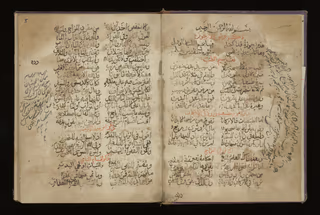
Wellcome MS Arabic 129 is a handwritten Arabic volume that binds 11 medical works together. Most are in rajaz, a loose Arabic metre used for teaching poems. Most of the verse is the Urjūza fī al-ṭibb of Ibn Sīnā (Avicenna, d. 1037), a poem on the whole of medicine. The volume also holds a poem on health in the four seasons under Ibn Sīnā’s name, a poem on anatomy, Ibn al-Tilmīdh’s prose treatise on bloodletting, and verse by Shams al-Dīn ibn Makkī. Wellcome dates the manuscript to the 18th century.
Ibn Sīnā put the doctrine of his prose Canon of Medicine into verse so that students could learn it by heart. Glosses in the margins of this copy explain individual verses. The poem on the eye lists 44 diseases of the eyelid and 15 of the cornea. The seasonal poem recommends coffee in spring. Coffee entered Arabic medical writing in the 1500s, so the text in this copy may have been changed long after Ibn Sīnā.
This edition is listed with the physician-poets in this library.
| Date | Place | Work | Notes |
|---|---|---|---|
| Early 1000s | Urjūza fī al-ṭibb By Ibn Sīnā (Avicenna) | A poem in rajaz of about 1,326 half-lines that puts the medical system of Ibn Sīnā’s prose Canon into verse. Students memorised it under a teacher, who glossed it line by line. Averroes wrote a commentary on it. | |
| Mid-1100s | Baghdad | Risāla fī al-faṣd By Ibn al-Tilmīdh | A prose treatise on bloodletting in ten chapters. It names the veins to open and how to bind each one, and it lists when bleeding must not be done, such as early and late in pregnancy. Ibn al-Tilmīdh (d. 1154 or 1165), a Christian, was physician to the caliph al-Muqtafī and head of the ʿAḍudī Hospital in Baghdad. |
| 1700s | Wellcome MS Arabic 129 | An undated volume in naskh script, probably copied in Syria or Egypt, that brings together 11 works, most of them in verse. It includes verse by Shams al-Dīn ibn Makkī on the veins used in bloodletting. Almost nothing is known of him, and he probably wrote in the late 1500s or early 1600s. |
Poems
233 poems, grouped by theme.
Medical knowledge · 73
- اجناس البول ودلايل اللون
- اجناس النبض واولها جنس مقدار الانبساط
- اسباب البرد
- اسباب الحر
- اسباب الرطوبه
- اسباب اليبوسه
- اسباب انحلال الفرد
- اسباب انسداد المجاري
- اسباب انفتاح المجاري
- اسباب زيادات العدد
- الادوية المسدده
- الادوية المصلبه
- الاستدلال بافعال الدماغ
- الاستدلال بالفعل الكبد
- الاستدلال علي مرض سو المزاج الحار
- الاعراض الماخوذه من حالات البدن
- الامراض السوداوية
- الثالث من الامور الخارجه عن الطبيعه وهي الاعراض
- الثالث من الطبيعية وهو الاخلاط
- الثاني من الامور الخارجه عن الطبيعيه
- الثاني من الامور الخارجه عن الطبيعيه وهي اسباب انصباب الماده
- الخامس منها وهو الارواح
- السابع منها وهي الافعال
- السادس منها وهو القوى واللاتي الطبيعية
- العلل البلغميه
- العلل الصفراوية
- الفصد من امتلا العروق وانفجار الدم بغتة
- القول في امراض جفن العين بانواعها
- تغير بحسب الملابس
- تغيّره بحسب المشموم
- جنس خاصة الكميه
- جنس زمان الحركات و الفترات
- جنس زمان الحركه والسكون
- جنس ما يحتوي عليه الشريان
- جنس مقدار القوى
- ذكر اقسام النامي
- ذكر الألوان ودلائل البشر
- ذكر الدلايل
- ذكر الدلايل العامه الحاضرة
- ذكر الذكور والانوثة
- ذكر السمن
- ذكر القوام
- ذكر امراض الاعضا الاليه
- ذكر امزجة الازمنة
- ذكر انحلال الفرد
- ذكر دستور يعرف به الرطب من اليابس والدوا المفرد
- ذكر ما يسخن من الدوا المفرد ولا يسهل بالامعاء
- ذكر نفع الالوان للبصر
- سبب زيادات العدد امراض الخشونه
- في أمراض الباصر والعضلي
- في أمراض الطبقة الشبكيه
- في أمراض الطبقة الصلبه
- في أمراض الطبقة المشيمية
- في أمراض العصبة المجوفة
- في أمراض لا تختص بطبقة
- فِي الادويه
- في الرطوبة الزجاجية
- في امراض الرطوبة الجليديه
- في امراض الرطوبية البيضيه
- في امراض الطبقة الملتحمة
- في امراض المآقي
- في ذكر الوان الشعر
- في ذكر الوان العين
- في شرح العصب
- في طبقة امراض العنكبوتيه
- في معرفة البحران الاسهالي من النبض
- في معرفة البحران العرقي من النبض
- في معرفة الفرق بين بول الادميين وغيرهم
- في معرفة المرض المركب من الحارين من البول
- في معرفة المزاج المركب من الخلطين الرطبين من البول
- في معرفة غلبة المرتين من النبض
- في معرفة ما يدل عليه الزبد ومحله من الجسم
- وفي الامور الخارجه عن الطبيعه وهي في الامراض الثانيه في الاعضا المتشابها الاجزا
Care & treatment · 64
- ابيات لثياذوق الحكيم تتضمن حفظ الصحة والعافية قال
- احكام المشروب من ماء وغيره
- الادوية المسهله واولا فيما يخرج الصفراء
- الادوية الملينه
- الاستدلال بافعال القلب
- الاستدلال بالنفث
- الاستدلال علي مرض سو المزاج البارد
- الاعراض الماخوذه مما يبرز من البدن
- الثاني من الامور الضروريه وهو المأكل والمشروب
- الثاني من عمل باليد في اللحم
- الجراحة وما يعرض لها
- الجلاية
- العمل في العروق وما يفصد من الجسد
- العمل في الكي في اللحم
- العمل في قطع اللحم
- الفصد في العلل المتفرقه
- القابضه
- القسم الثاني من العمل في الصحة علي المرضا بالغذا والدواء
- المحللة
- المفتح
- تدبير الامراض البلغميه
- تدبير الامراض السوداوية
- تَدْبِيرُ المَأْكَلِ فِي الصَّيْفِ
- تقاسيم الطب
- جنس زمان الحركة
- جنس عدد نبضات العرق
- جنس قوام جرم الشريان
- جنس كيفية جرم الشريان
- دستور في كتب الادويه والقول الاوايل
- ذكر اصناف الادوية
- ذكر الدلايل العامه المنذره
- ذكر الصفات التي عليها تكون الادوية
- ذكر العلم باوقات المرض
- ذكر القوى الثوالث من الادوية المفردة
- ذكر القوى اللواتي من الادويه المفرده والادويه النفعيه
- ذكر جميع العلل التي يقصد فيها الدمويه واولا في الورم الفلغموني حيث كان في الجسد
- ذكر علاج سو المزاج وعلايمه
- ذكر قوام الرسوب
- ذكر كيفية العرق
- ذكر ما يبرد ويقبض حين يحتاج اليه
- ذكر ما يحتاج الى عمله في البحران
- ذكر ما يخرج البلغم
- ذكر ما يخرج السوداء
- ذكر ما يخرج الماء الاصفر
- ذكر مكان الرسوب
- ضروب الاستفراغ والجذب
- ضروب الاستفراغ والجذب
- علاج الامراض الدمويه
- علاج العلل الصفراويه
- في الخلع
- في امراض الطبقة العنبيه
- في بط الخراج
- في تشريح الاورده
- في تعريف النبض
- في جبر الكسر والخلع
- في معرفة المرض المركب من الخلطين الباردين من البول
- في معرفة المزاج الصفراوي من البول
- في معرفة المزاج المعتدل من النبض
- في معرفة المزاج المعتدل من النبض البول
- في معرفة الممتلي وعكسه من النبض
- في معرفة غلبة الخلطين الباردين من النبض
- في معرفة غلبة الدم والصفراء من النبض
- في معرفة محل العله من النبض
- مفتحة :: العرق
Health & bodily conditions · 24
- اختيار الظئر
- الاستدلال بالعرق
- الاستدلال على مرض سو المزاج الرطب واليابس
- العمل في الشريانين
- تَدْبِيرُ المَشْرُوبِ
- ذكر الامتلا بحسب التجاويف
- ذكر العلامات المنذرة بالسلامه
- ذكر العلايم المنذرة بالبحران
- ذكر ريح البول
- ذكر علامات غلبة البلغم
- ذكر علامات غلبة الصفرا
- علاج الامراض الامتلايه وشروط الاستفراغ
- في المزاج البلغمي من البول
- في امراض الطبقة القرنية
- في ذكر الرسوب وما يدل عليه
- في معرفة الحامل من النسا وكون حملها بذكر او انثى من النبض
- في معرفة المزاج الدموي من البول
- في معرفة المزاج الدموي من النبض
- في معرفة المزاج السوداوي من البول
- في معرفة المزاج الصفراوي من
- في معرفة المزاج المركب من المرتين الناشيتين من البول
- في معرفة غلبة البلغم من النبض
- في معرفة غلبة السوداء من النبض
- في معرفه المزاج القوي من النبض
Life stages & mortality · 15
- الاستدلال من البراز واولا في الكميه
- تدبير الصحة في الشيوخ
- تدبير الطفل وأولا في بطن امه
- تدبير المسافرين وخاصه في البر
- تقسيم عمل حفظ الصحة وهو الأول من العمل بأخذ الدواء
- ذكر أمزجة الانسان
- ذكر الرسوب
- ذكر العلامات المنذرة بالمرض
- ذكر العلامات المنذرة باوقات المرض
- ذكر العلامات المنذره المأخوذه من حالات البدن
- ذكر العلامات المنذره بالموت الماخوذه مما يبرز من البدن
- ذكر العلامات المنذره واولا العلامات الرديه المأخوذة من الافعال
- ذكر العلم بطول المرض وقصره
- ذكر مراتب التغاير
- ذكر معرفة البحران
Feelings & inner life · 12
- السادس منها وهو الاحداث النفسانيه
- القوة الحيوانيه
- تدبير الناقة
- تدبير مغتضي
- تدبير من نقصت صحته في عضو دون عضو أو وقت دون وقت
- ذكر الامتلا واولا الامتلا بحسب القوه
- ذكر الدلايل علي ما ينقضي به البحران
- ذكر القوى الخامس منها وهي الاثار النفسانيه
- ذكر رجوع العمل عند الحكيم بالادله
- ذكر علامات غلبة الدم
- ذكر علامات غلبة السوداء
- في معرفة البحران السليم من النبض
Natural world · 11
- الثاني في المزاج
- تأثير النجوم في الهواء مع الشمس
- تَدْبِيرُ المَأكَلِ بِالْجُمْلَةِ وَخَاصَّةً فِي الصَّيْفِ
- تدبير فصل الخريف
- تدبير فصل الربيع
- تدبير فصل الصيف
- تغير بحسب الرياح
- تغير بحسب ما يجاوره من الترب والمياه
- ذكر الامور الضروريه واولها في الهواء
- ذكر الامور الطبيعية واولا في الاركان
- ذكر ايام البحران
Religion & worship · 11
- ܀ ارجوزة الشيخ الرئيس ابي علي ܀ ܀ الحسين بن سينا في تدبير ܀ ܀ الصحة في الفصول ܀ ܀ اربعه ܀
- ارجوزة لطيفه فى قضايا ابقراط الخمسة والعشرين
- ارجوزة للشيخ الريس / ابن سينا في التشريح
- ارجوزة له ايضا في الختان
- في العظام وعددها
- في تشريح الشرايين
- في شرح العضل
- في معرفة الفرق بين ساير الابوال وغيرها من المايعات
- في معرفة جمل من الوان البول
- في معرفة من يقوم من مرضه بسرعه ومن يطول مرضه ومن يموت
- هذه ارجوزة وجيزة في عدد العروق المقصودة للشيخ شمس الدين بن مكي